
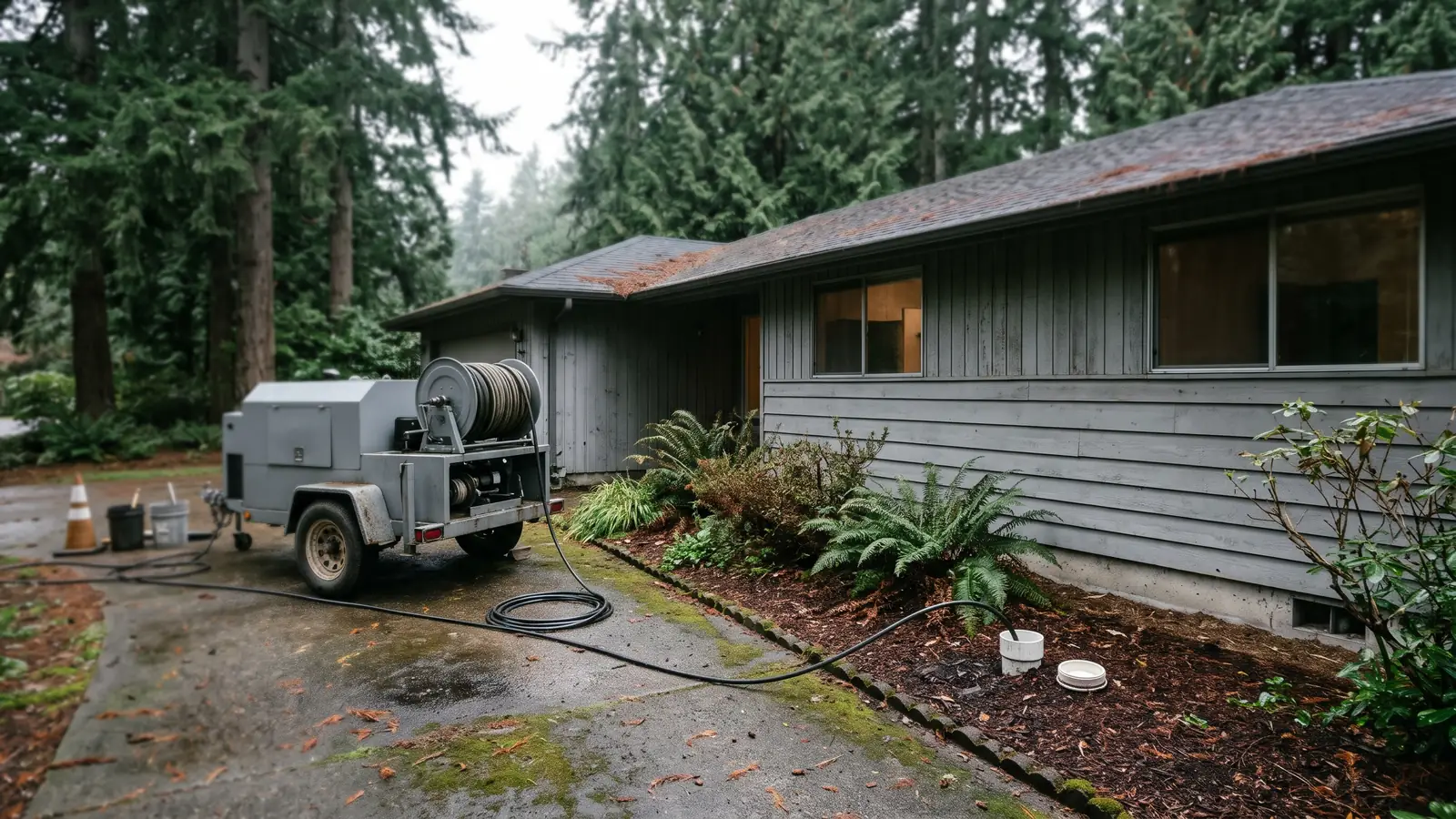
Cast Iron Descaling: What the Job Involves
Side sewers in King County often date from when the house went up, the county says, and iron is one of the materials it lists. Here are the four parts of a descaling job a plumber should walk you through.
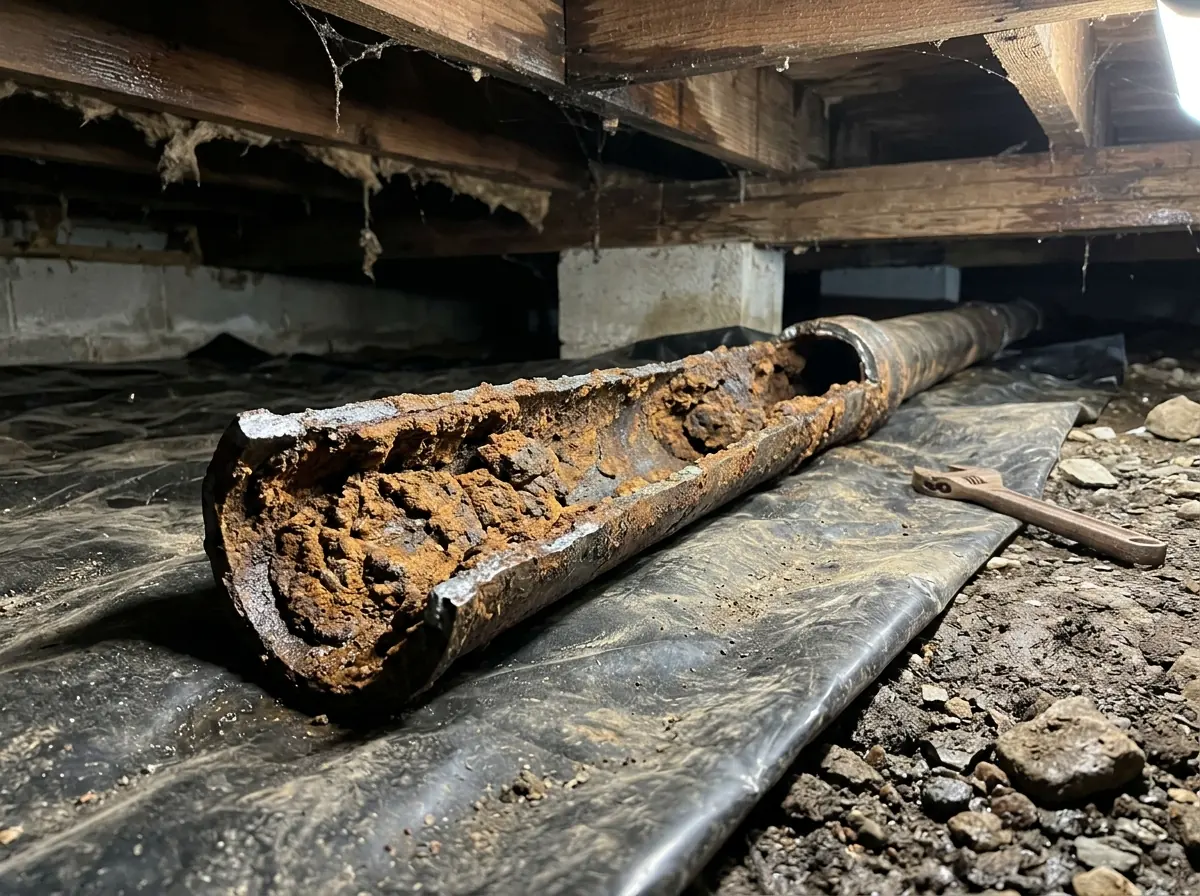
Scale and Tuberculation Inside Cast Iron Stacks
Iron drain pipe doesn't fail in one day. Roto-Rooter's descaling guide traces the word "scale" to rust that flaked off old iron pipe, and explains why it causes trouble: the rough surface snags toilet paper and debris until a clog forms. The lumpy form has its own name, tuberculation. McWane, an iron pipe maker, describes it as a bacterial, oxygen-driven corrosion that deposits iron oxide and slowly shrinks the flow area. In a house drain that means a narrower, ridged bore, and a stack that runs slow with nothing stuck in it.
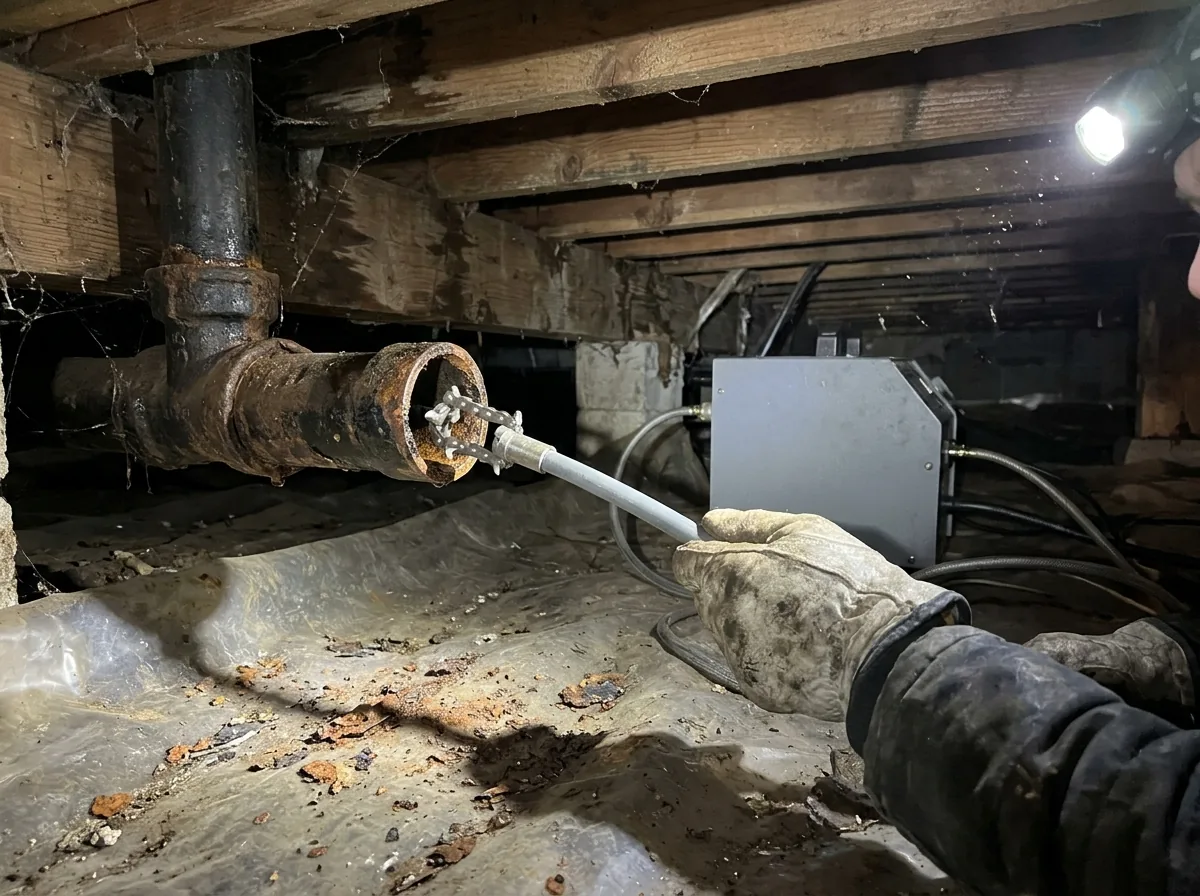
Chain Knockers and Carbide Cutting Heads
Mechanical descaling spins a chain or cutter on a flexible shaft. Roto-Rooter describes the machines as high-speed rotating cables with blades or chains that knock scale off the pipe wall, with little or no digging, though large pipe can take a long time. Picote's Cyclone range shows how the heads differ:
- PVC chain: no carbide teeth, for fragile plastic and clay
- Standard and Tiger chains: carbide teeth, for clay, concrete and cast iron
- Premium chain: heavier 7-ridge carbide for tough scale and hard deposits
- Tornado chain: for heavy tuberculation in larger-diameter pipe
Ask which head the plumber plans to run, and why that one suits your pipe.
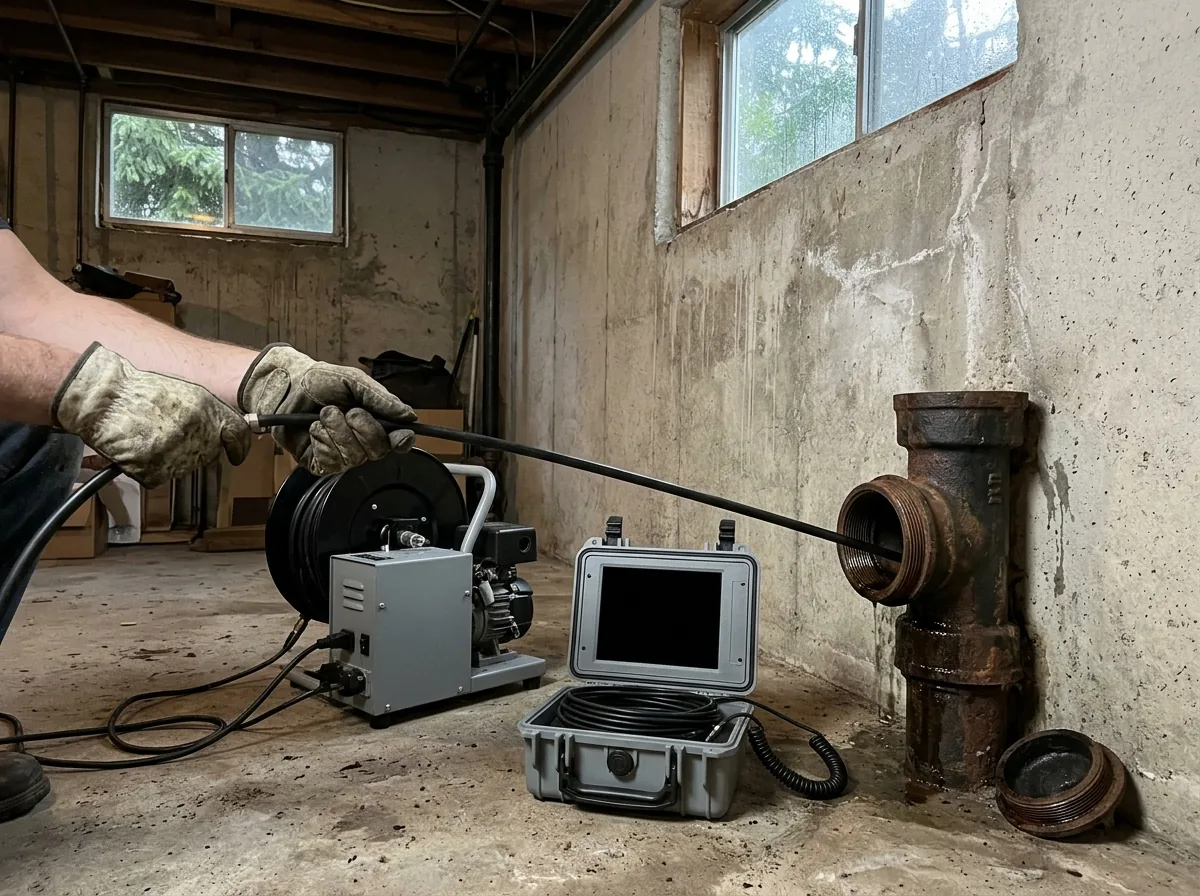
Jetting Cast Iron: Sound Wall or Thin Wall
Water pressure works on scale, but the wall underneath has to take it too. HomeGuide's pipe-material table is the clearest guide to what jets safely:
- PVC and ABS: safe at standard jetting pressure
- Sound cast iron: fine, with the pressure adjusted
- Cast iron that's corroded or thin: risky, and it may make the damage worse
- Clay or Orangeburg: not recommended, because the pipe is too fragile
Roto-Rooter makes the same trade-off: a jet scours the whole circumference but may not suit older or fragile pipe. That's why the sewer camera inspection comes before any pressure goes in.
Descaling as Prep for an Epoxy Liner
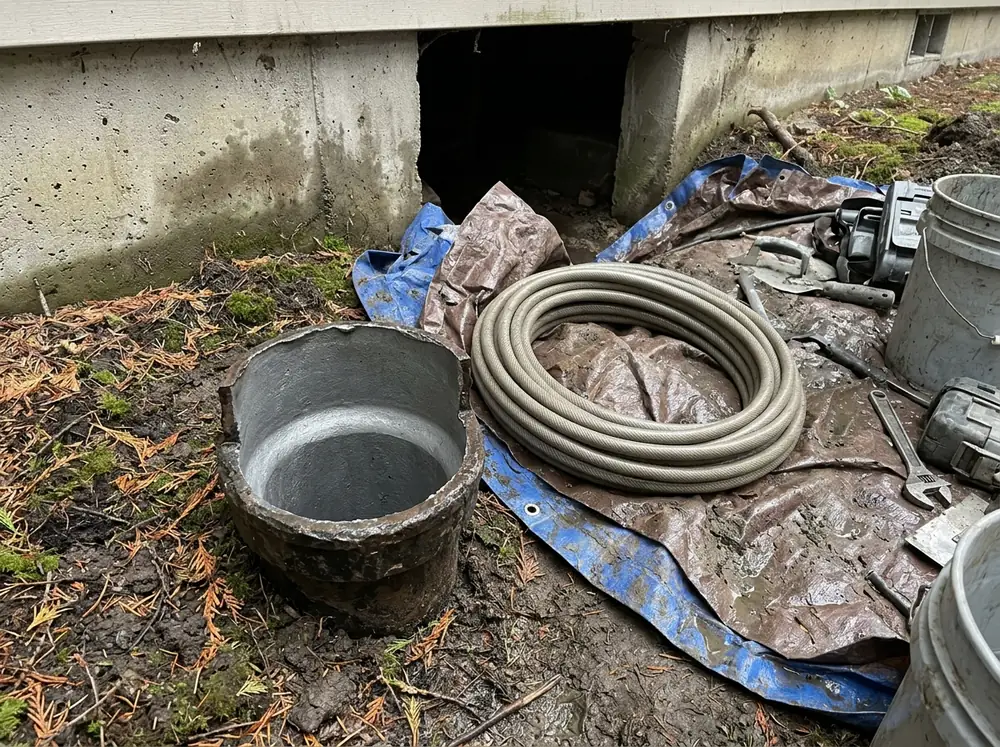
When the wall is too far gone to clean and leave alone, descaling becomes the first step of a repair. Roto-Rooter says a badly scaled pipe may need a new lining after descaling, or full replacement. Picote, which makes descaling chains, also sells brush coating and lining equipment, and markets its tools for use "even inside very damaged pipes." Lining or replacing a side sewer counts as repair, and repairs need a Kent permit, which clearing a clog does not. The sewer line repair page covers the permit and the per-foot costs.
Why Kent homeowners and businesses call Kent Hydro Jetting
- The request is free, and you decide whether to book
- One licensed local plumber gets your request, not a call list
- Ask for a camera look before any pressure goes in
- Ask for the price in writing before the work starts
- You pay nothing for the referral
Before You Book Cast Iron Work in Kent
Camera before and after
Ask for both runs, and for a copy of the footage. It's your record of how much wall was left.Method in writing
The quote should name the tool (chain, cutter, jetter or a mix), the length of pipe and what happens if the camera finds a break.Repair paths named up front
If lining or replacement is on the table, ask for that price on paper as well, so the two options can be compared.The house's age
Older homes are more likely to have iron or clay lines; the sewer scope inspection page looks at how old Kent's housing is.