
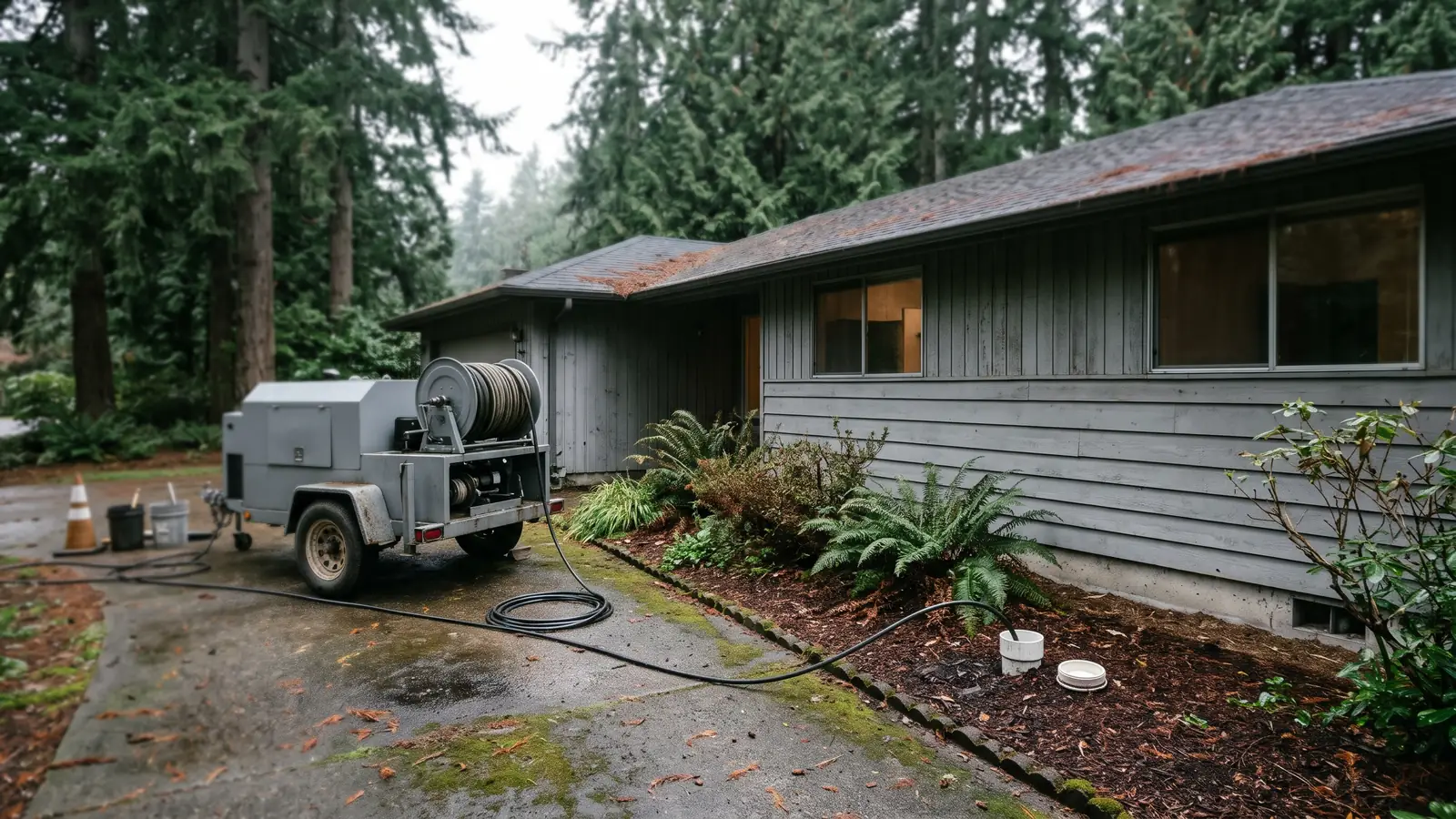
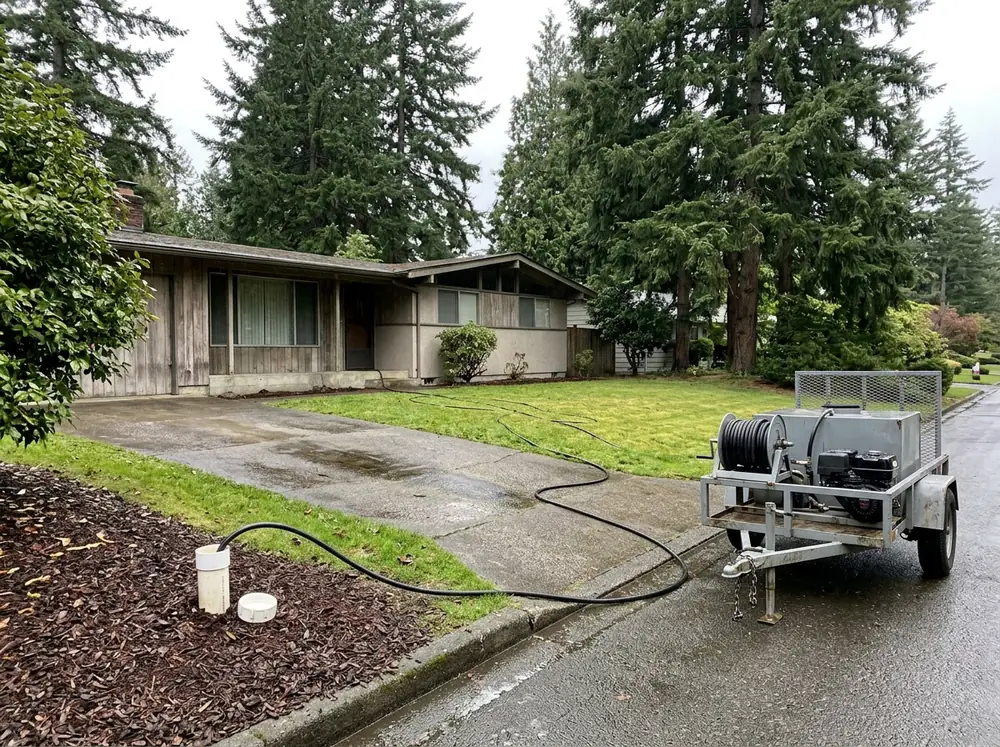
Residential Hydro Jetting in Kent, WA
Most home calls start with the pipe that carries everything out of the house, so this list starts there and works back toward the fixtures.
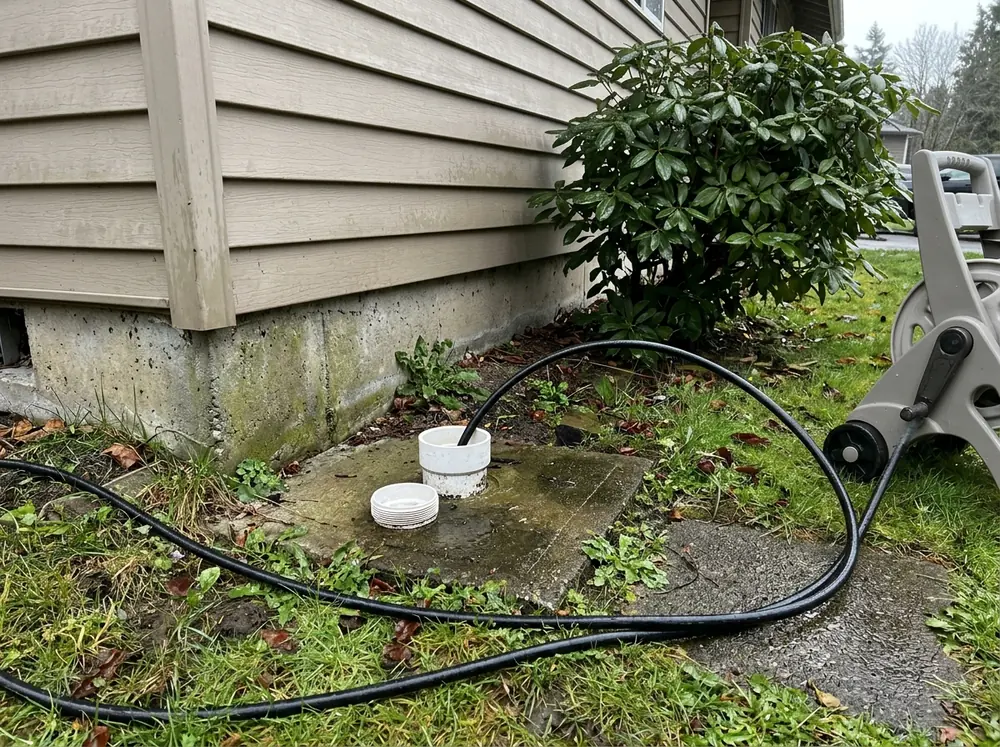
Side Sewer and Main Line Jetting
Kent's code calls it the side sewer: the gravity pipe from your house to the public sanitary sewer. Here the owner is responsible for all of it, out to the tee at the main (more on that below). When every drain slows at once, or the lowest toilet gurgles as the washer empties, look here first. It's also the pipe people forget they own until the bill arrives.
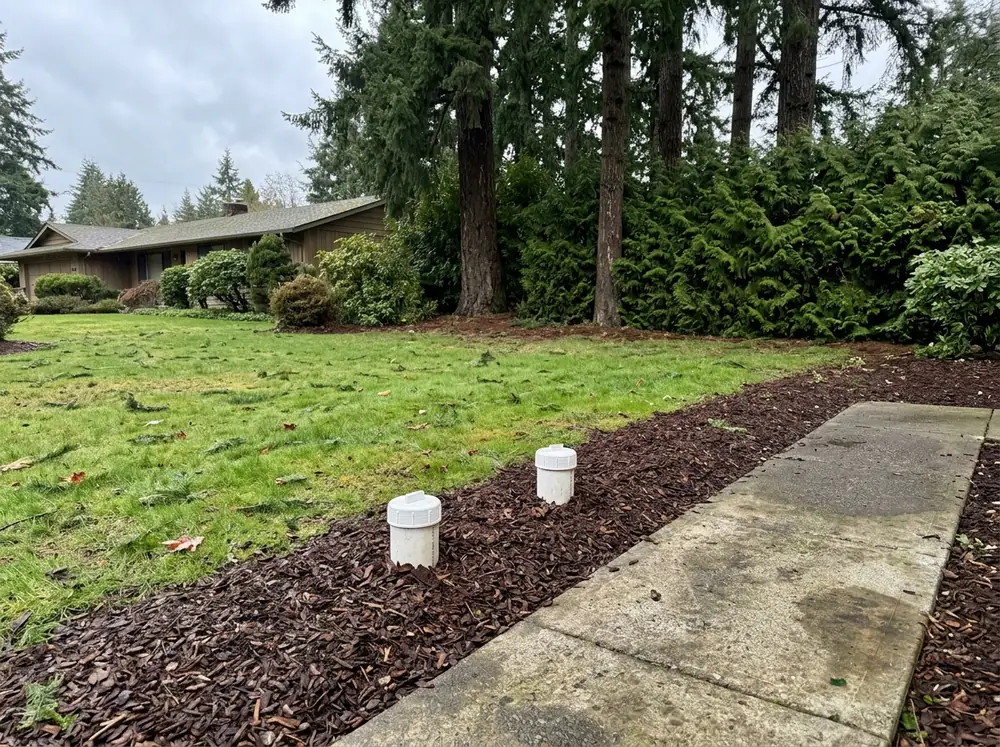
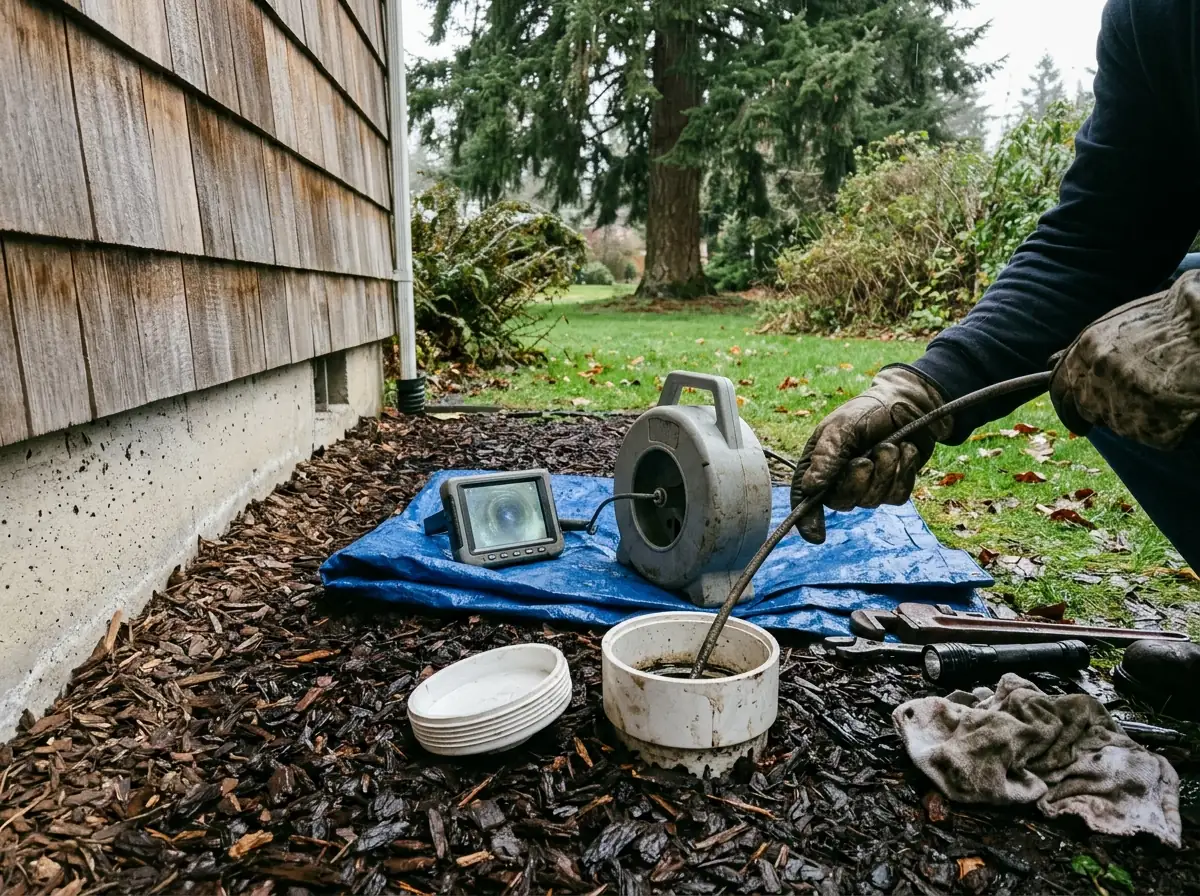
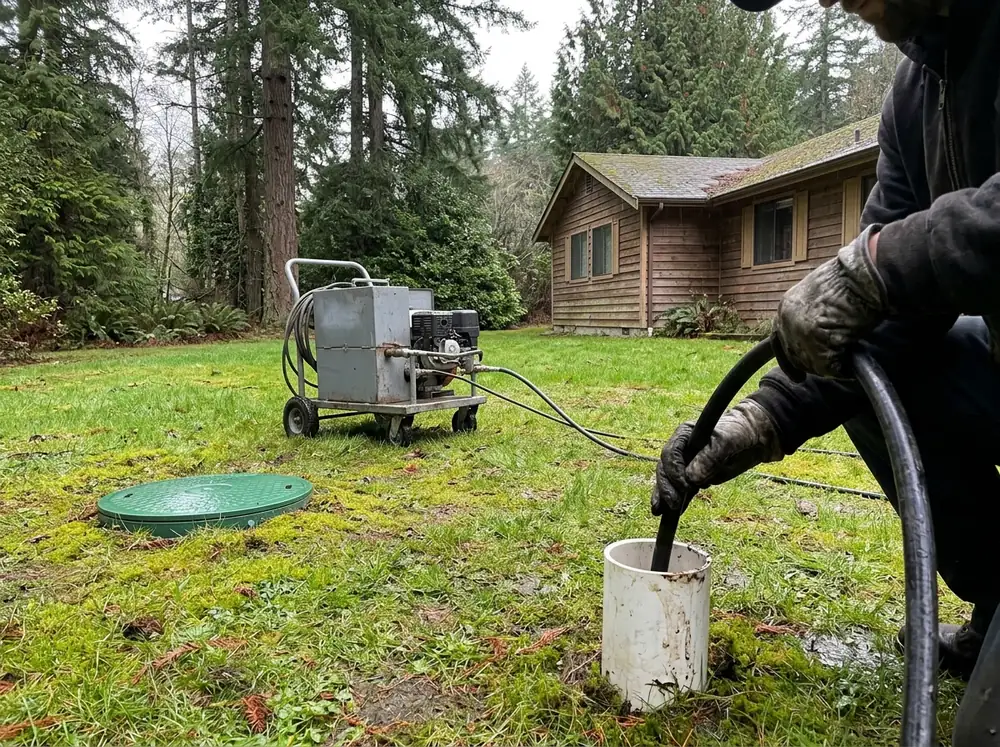
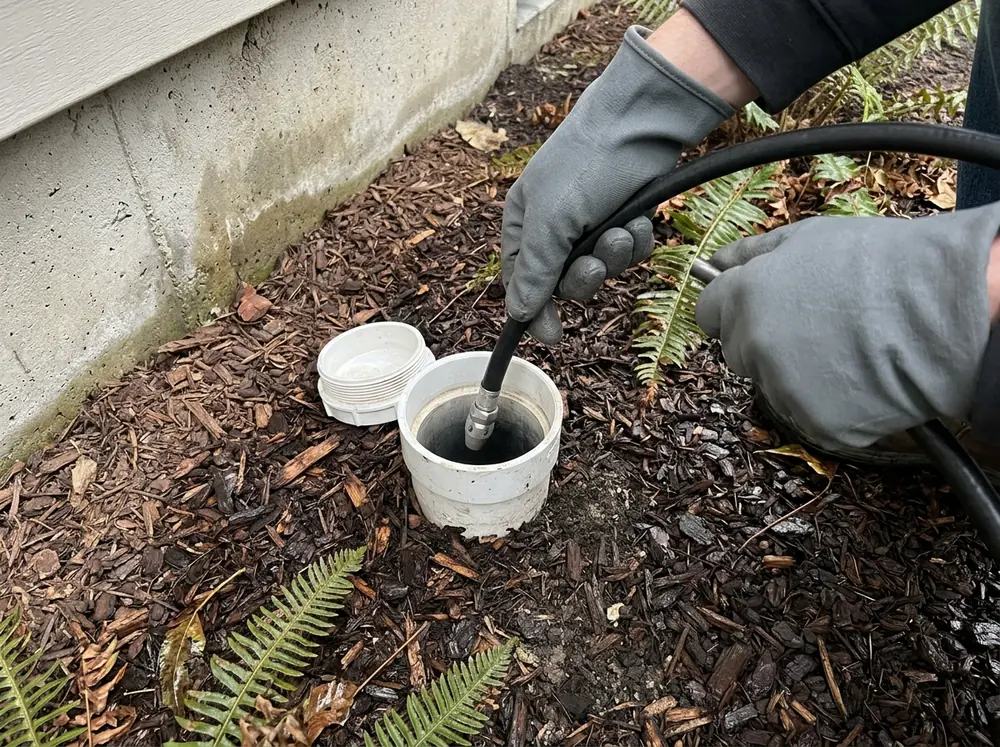
Residential sewer and drain pipe runs 2 to 6 inches across, and HomeGuide puts home jetting at 1,500 to 4,000 psi, set to the pipe. The hose goes in at a cleanout. Most homes built after 1970 have one. Without a cleanout, a toilet usually comes off for access, which Angi lists at $50 to $200 extra.
See Sewer Line Cleaning in Kent; a house that drains to a tank instead of the city main is covered under septic line jetting.
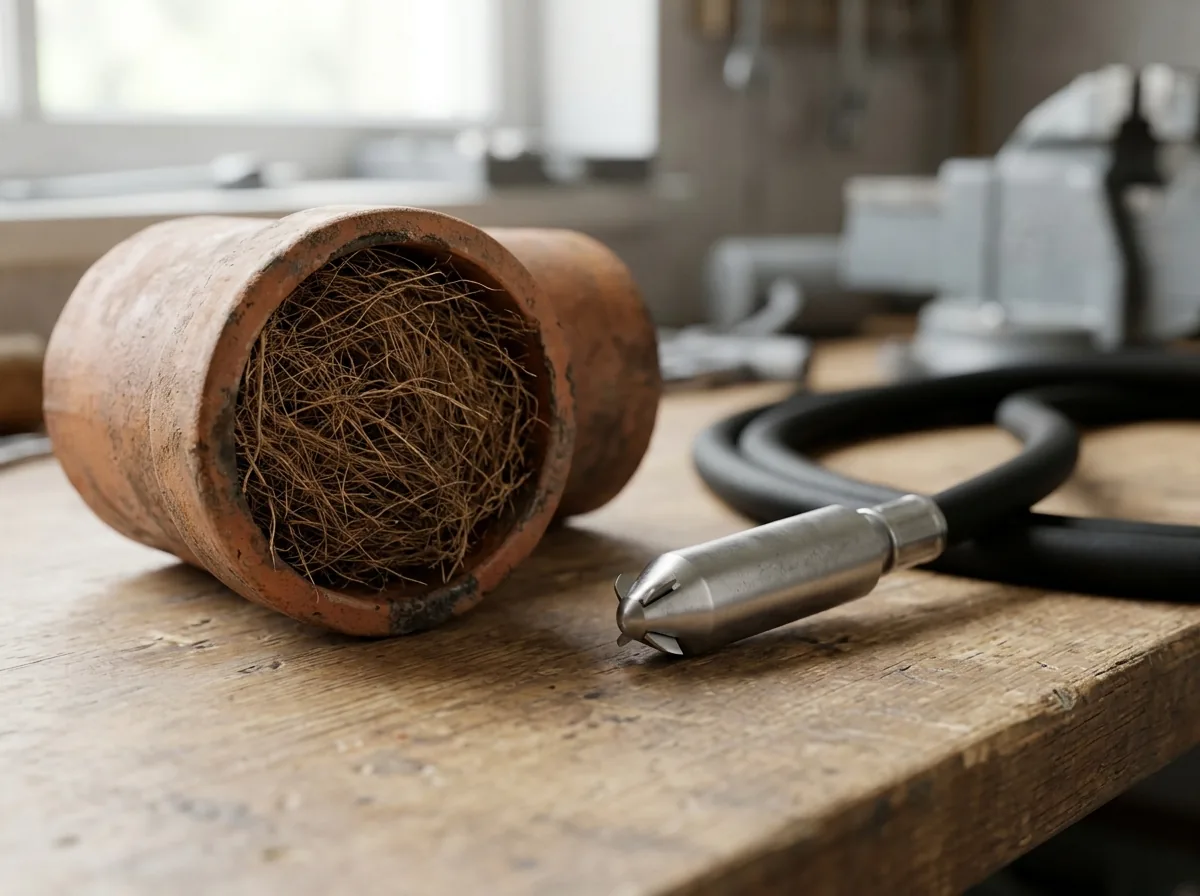
Tree Root Cutting in Sewer Lines
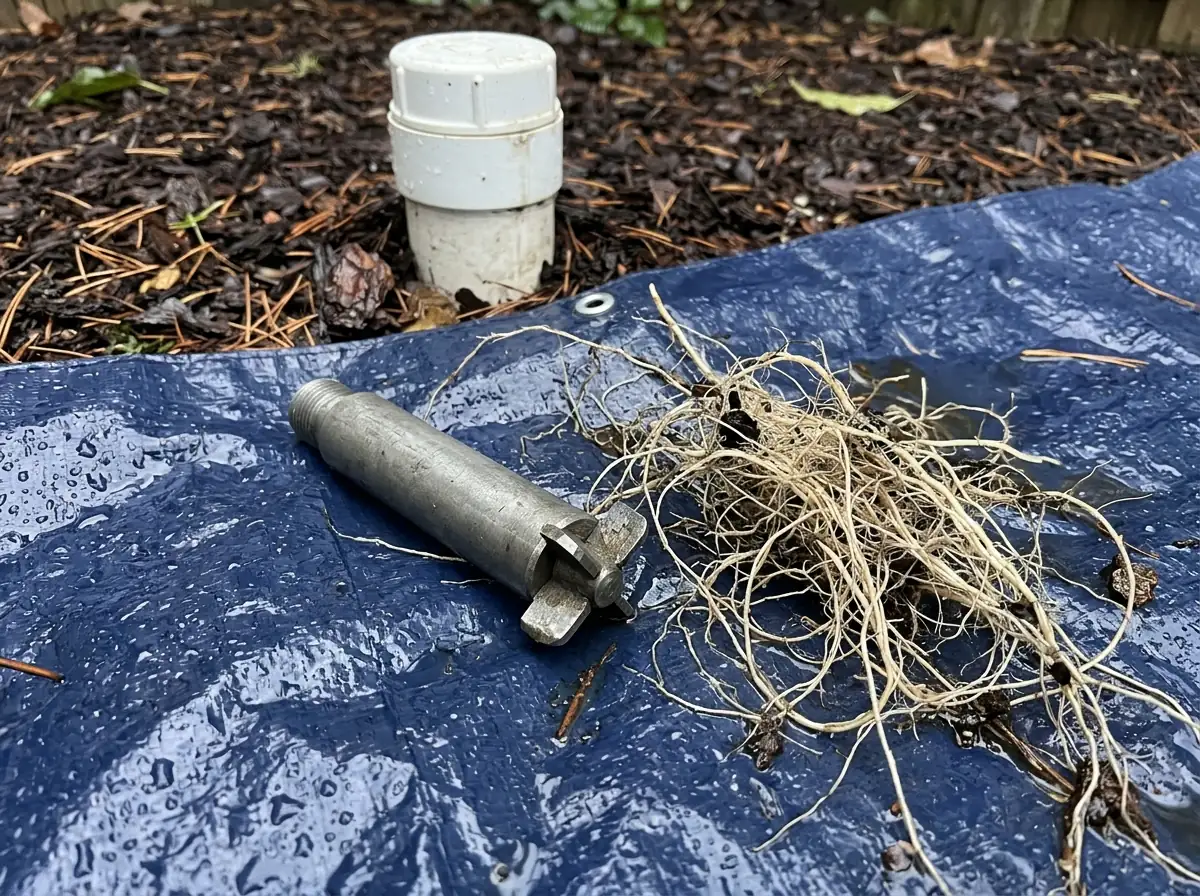
King County notes that side sewers are often as old as the house and that tree roots commonly get into them. Roots slip in at the joints and grow into a mat that catches paper and grease. A root cutter nozzle is built to cut roots, grease and scale; it chews through the mat, and the water flushes the pieces down to the main. Angi and HomeAdvisor both list root removal at $100 to $600 on top of the jetting price.
Kent bans planting poplar, cottonwood, soft maple, willow or any tree whose roots are likely to damage a sewer. If one already shades your line, ask the plumber how often it should be cut back.
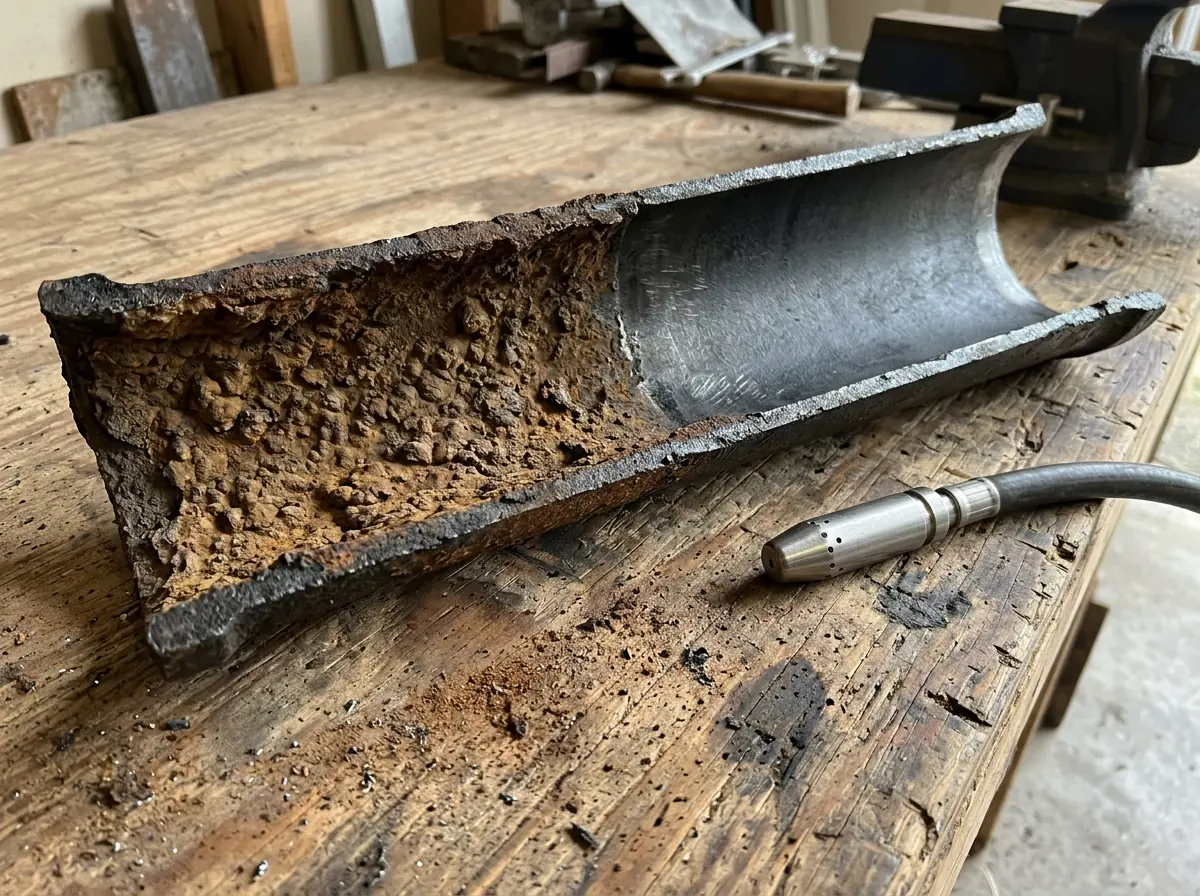
Cast Iron Drain Pipe Descaling
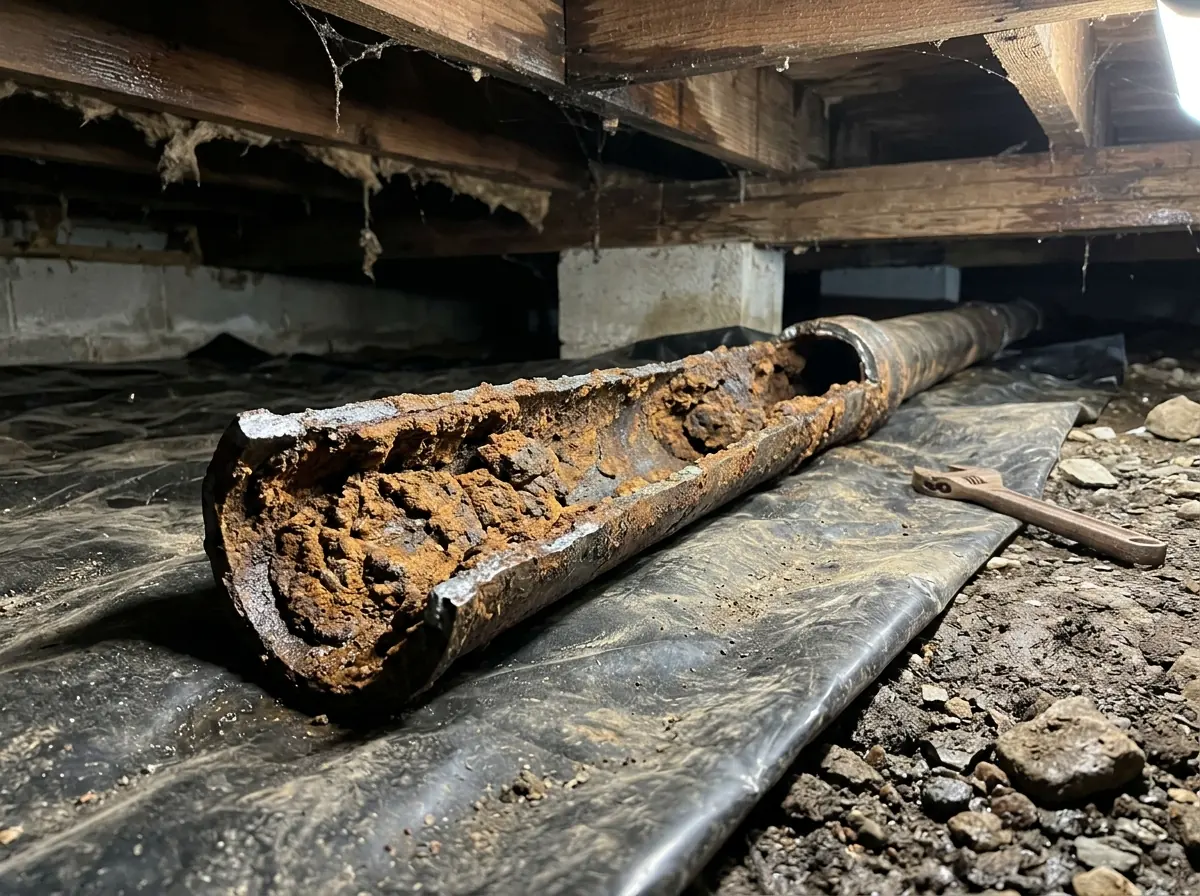
Cast iron rusts from the inside. The scale builds into ridges that narrow the pipe and snag whatever comes down it, so the drain slows even when nothing is stuck. Descaling uses the same kind of cutting nozzle as root work, run with care. How much wall is left decides the job, and only the camera run beforehand shows it. Sound pipe gets cleaned; pipe rusted thin is a repair, and jetting it can make the damage worse.
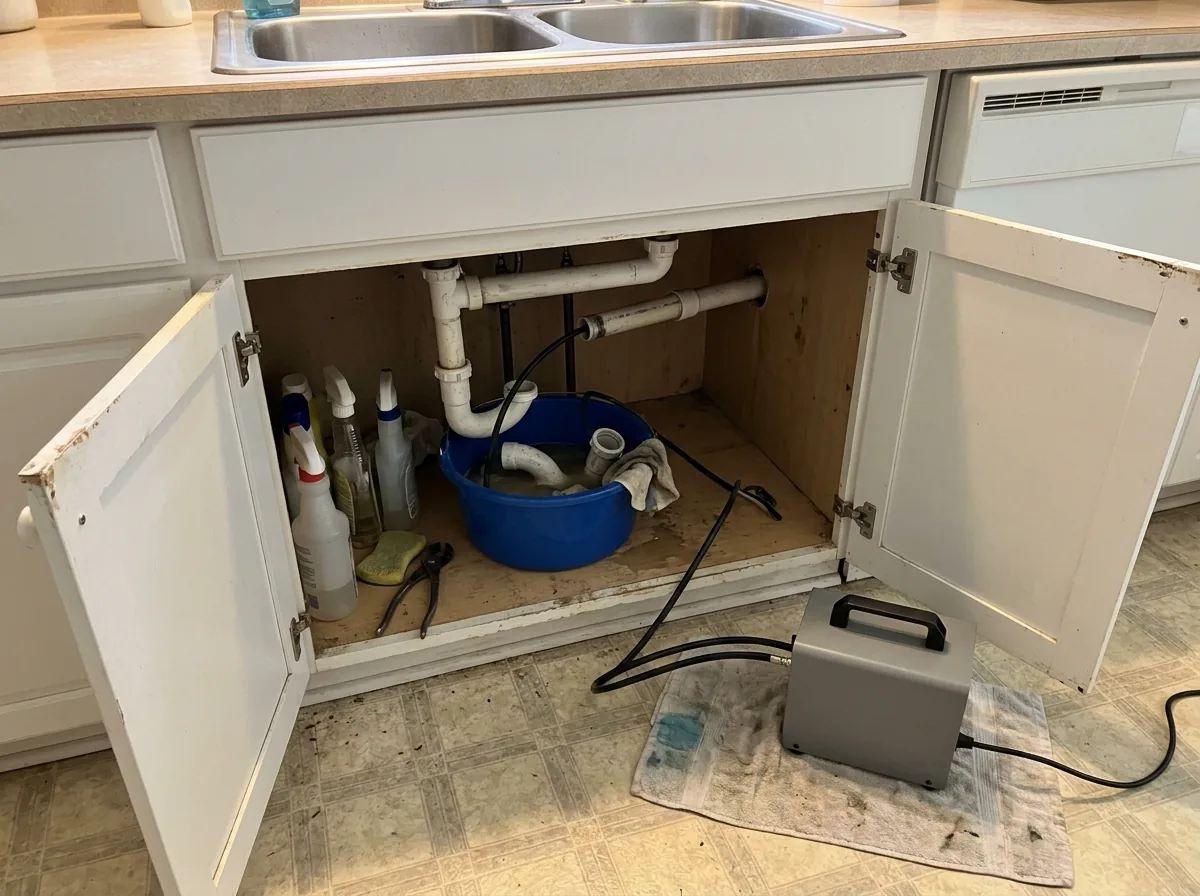
Kitchen Drain and Grease Line Cleaning
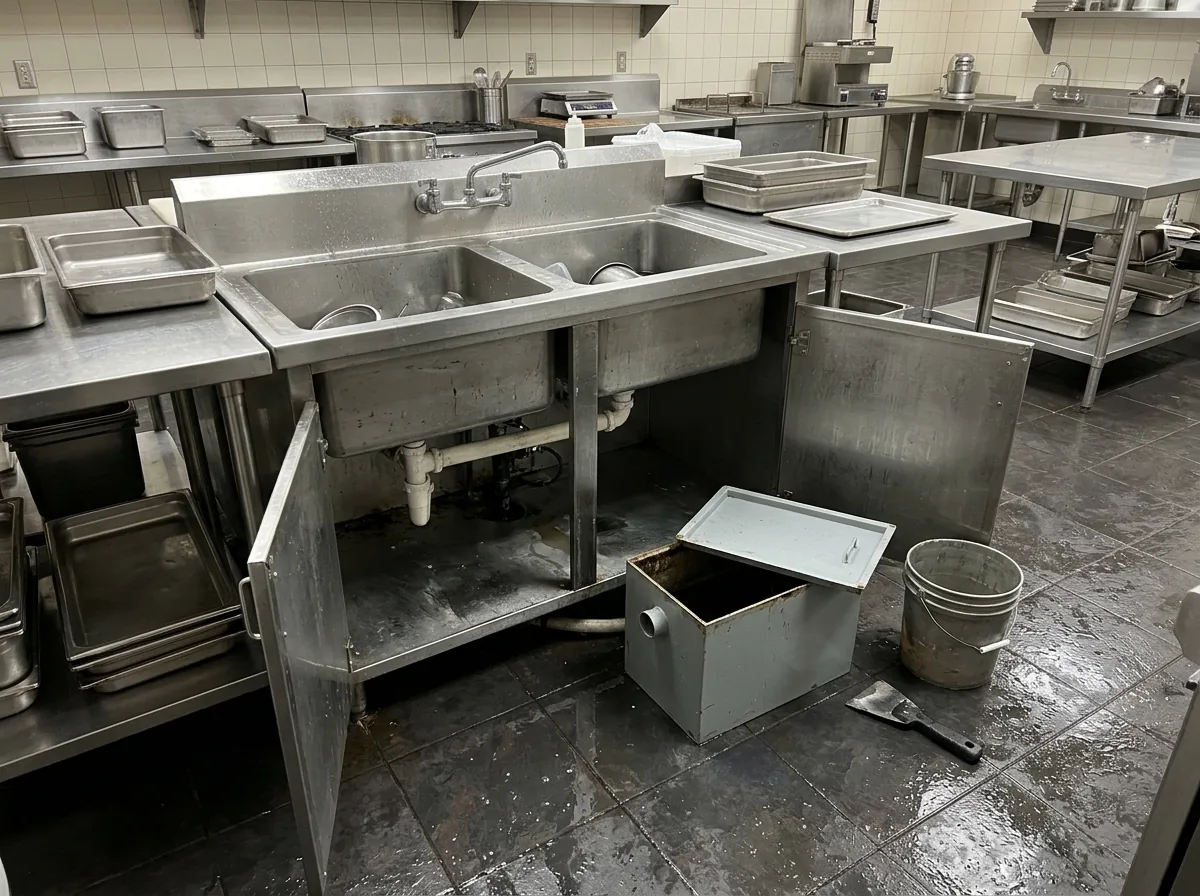
Grease goes down warm and sets on the pipe wall as it cools. Food scraps and soap stick to it, and the opening shrinks until the sink stops draining. A jetter scrubs the walls and flushes the grease away as the hose is pulled back, which a cable can't do. It's also a code issue here: Kent treats a visible build-up of fats, oils and grease in a side sewer that's likely to block flow as a violation in itself. Wiping pans into the trash before washing them keeps the line open longer.
Sewer Backup Clearing and Emergency Jetting
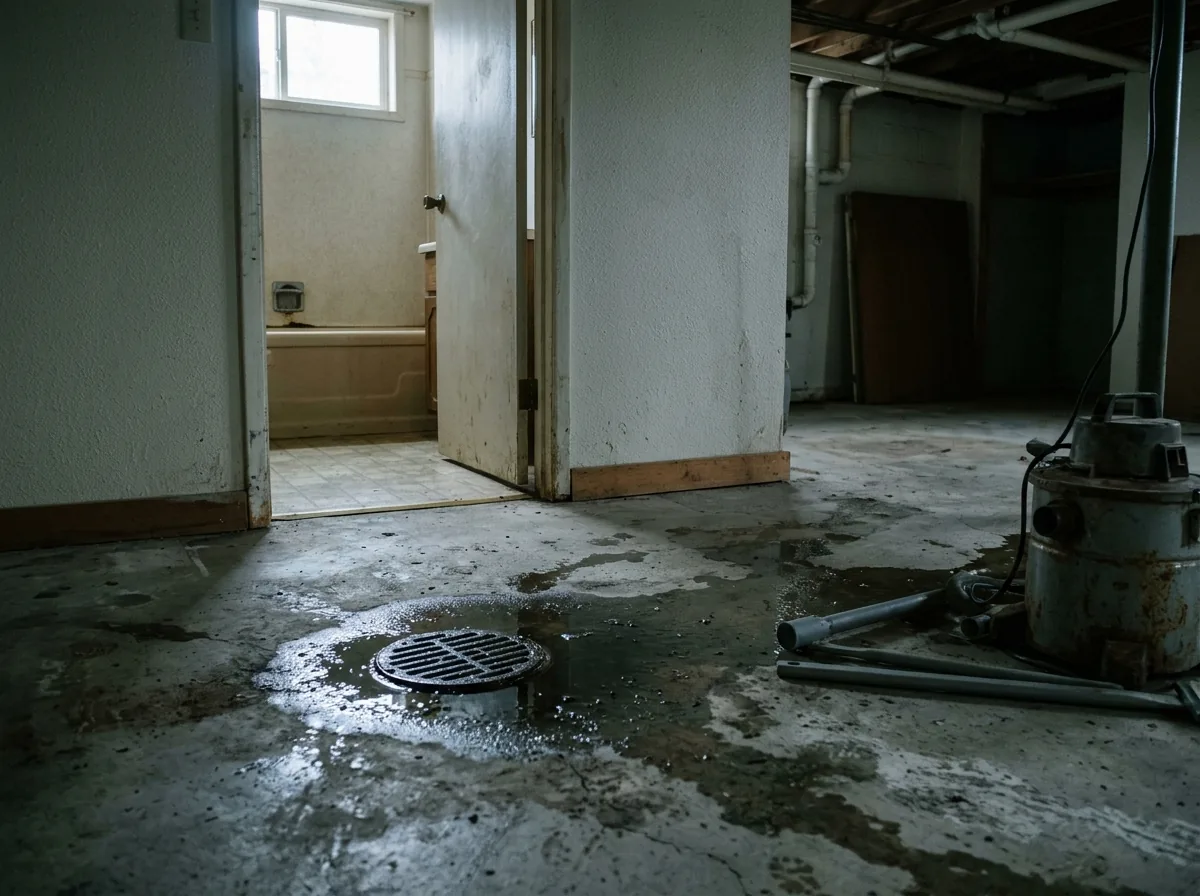
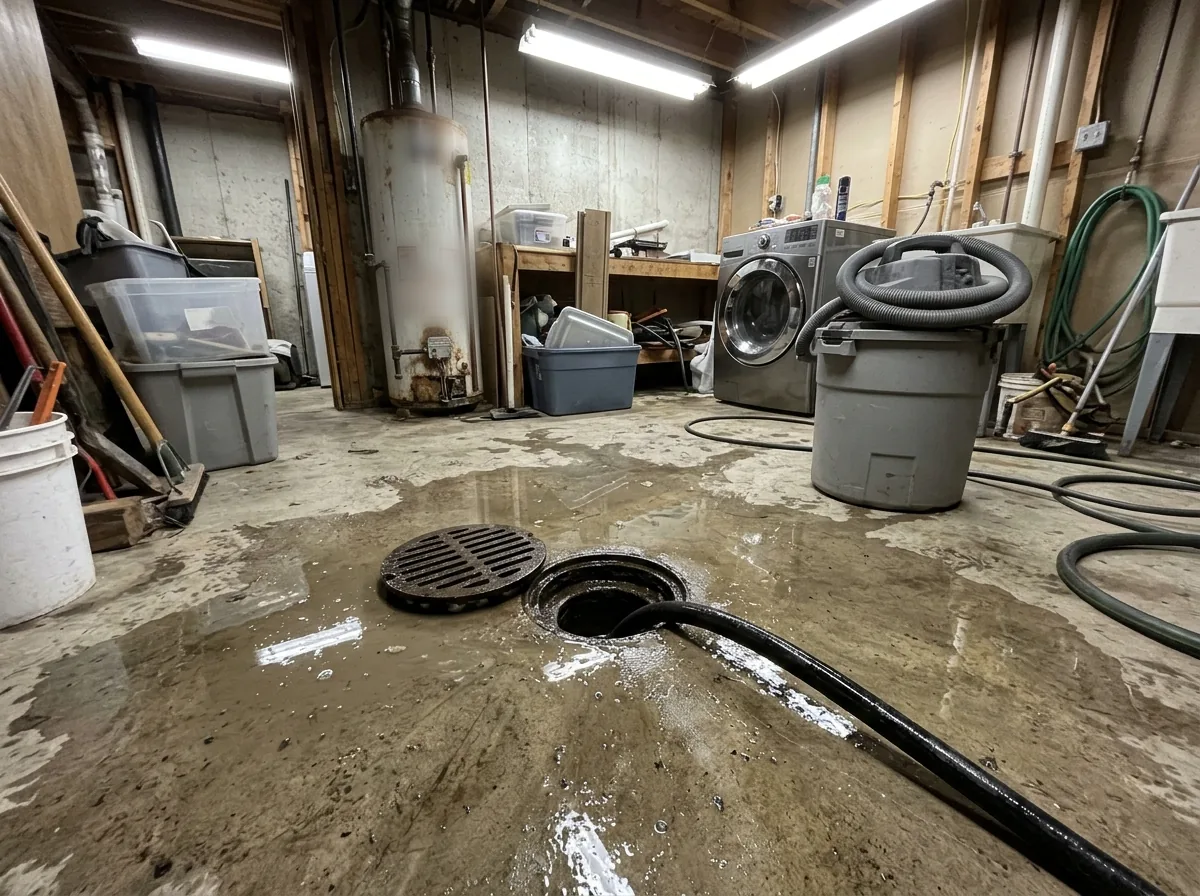
Sewage coming up through a floor drain or tub means the water can't get past a blockage further down. Stop running water, and keep the dishwasher and washer off until the line is open. Angi's figures for Seattle plumbers put night, weekend and holiday calls at 1.5 to 2 times the normal hourly rate, so ask the plumber for the after-hours rate up front. Kent needs no permit to clear an obstruction from a private sewer as long as the pipe isn't damaged.
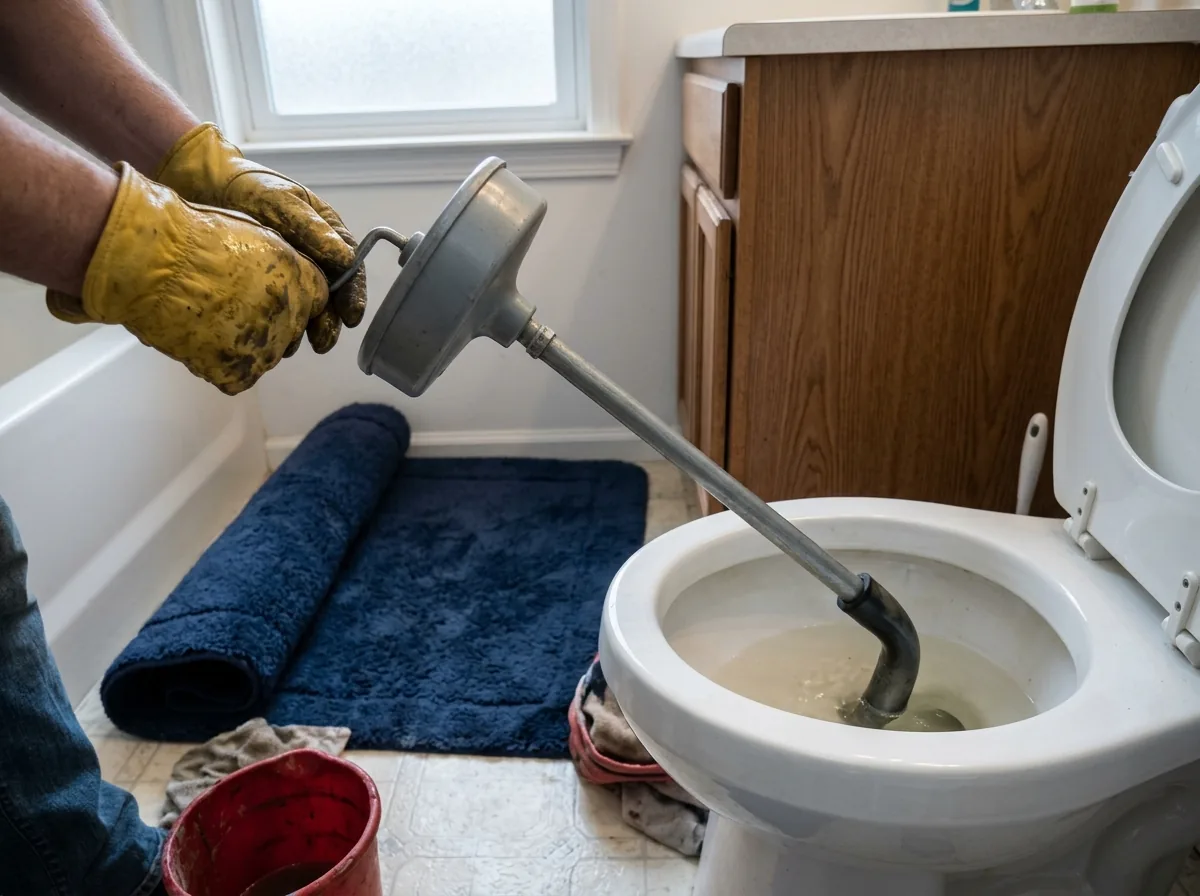
See Sewer Backup Clearing in Kent, or toilet clog clearing when only one toilet is acting up.
Clogged Drain Cleaning: Bathroom, Shower and Laundry Lines
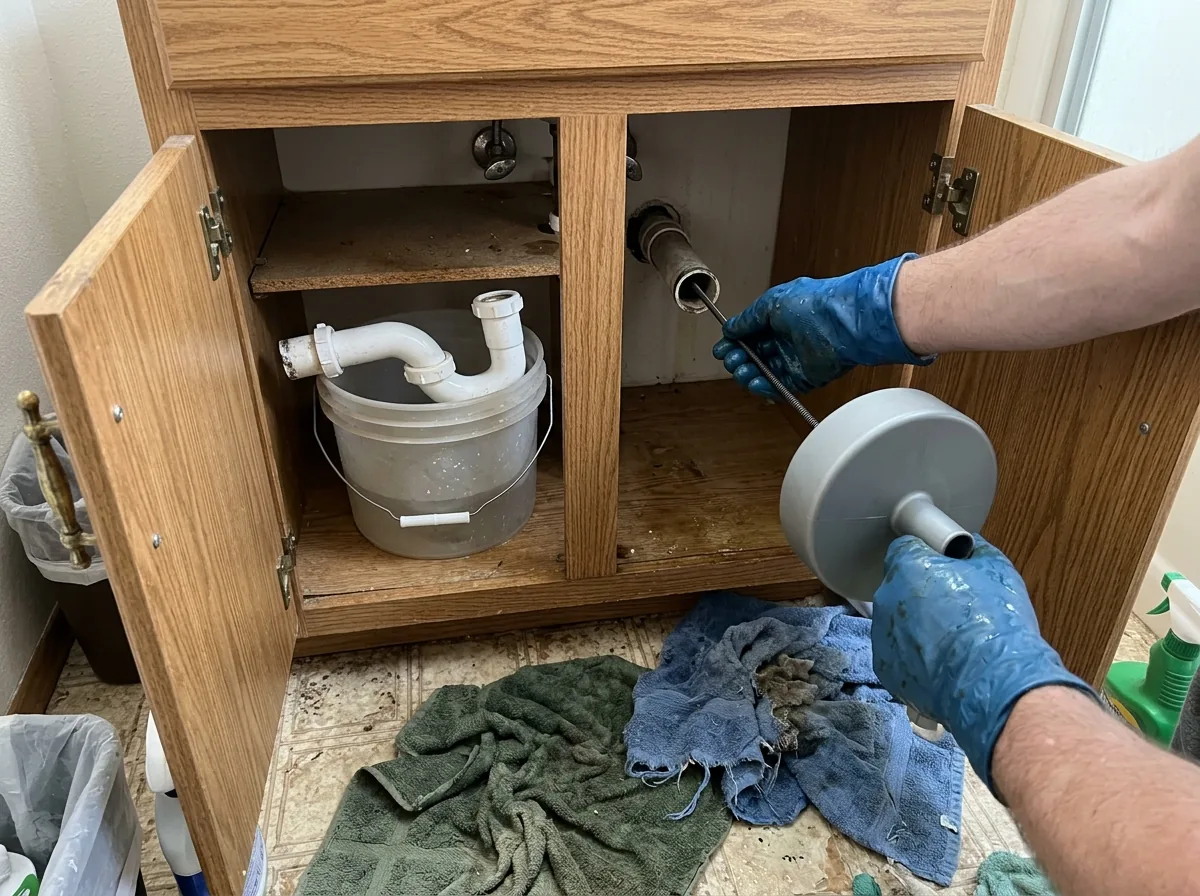
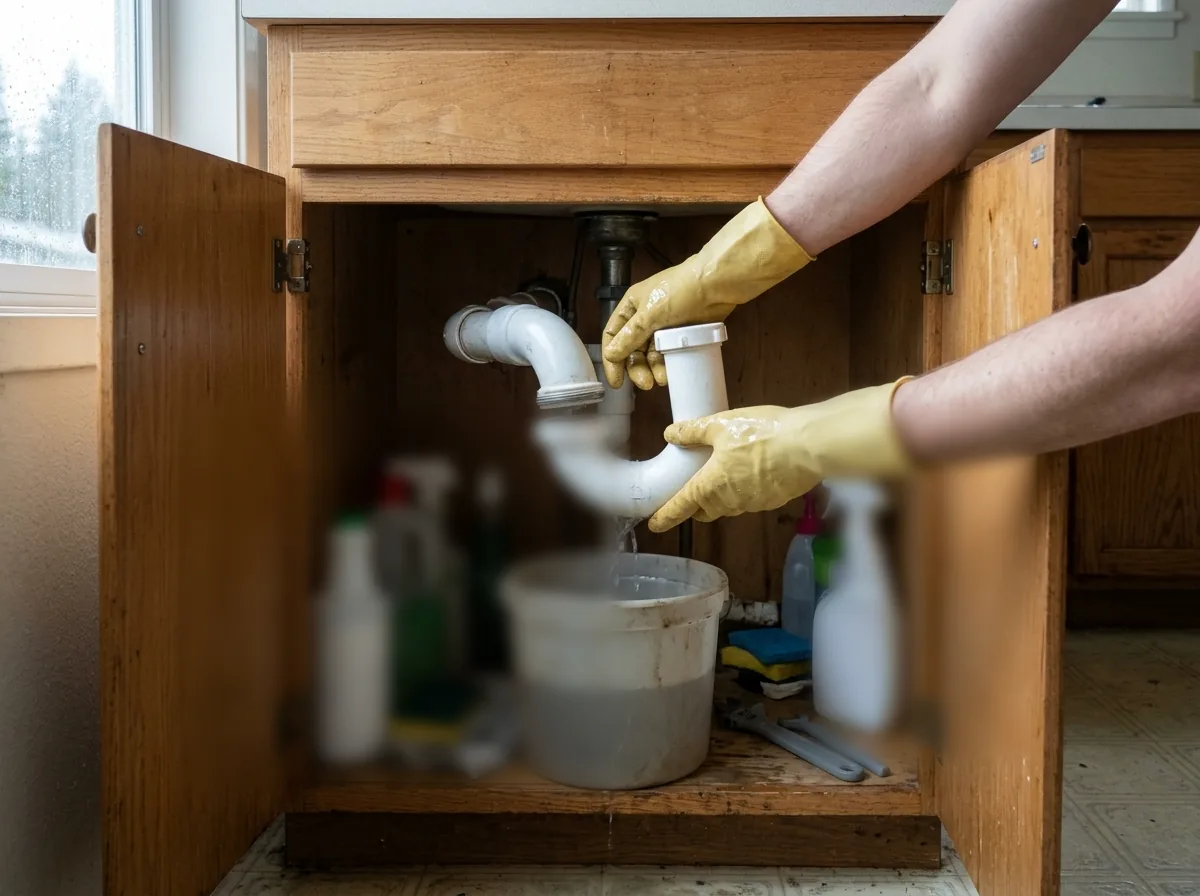
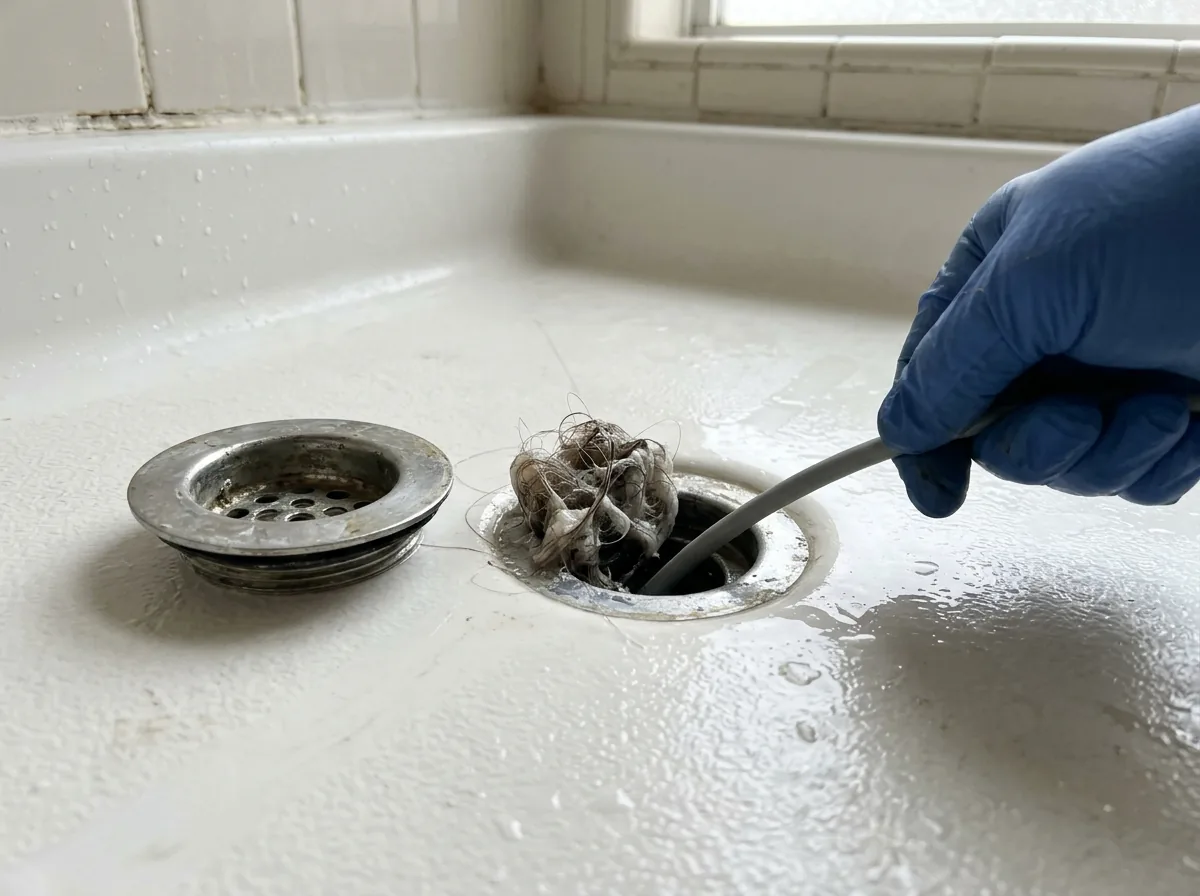
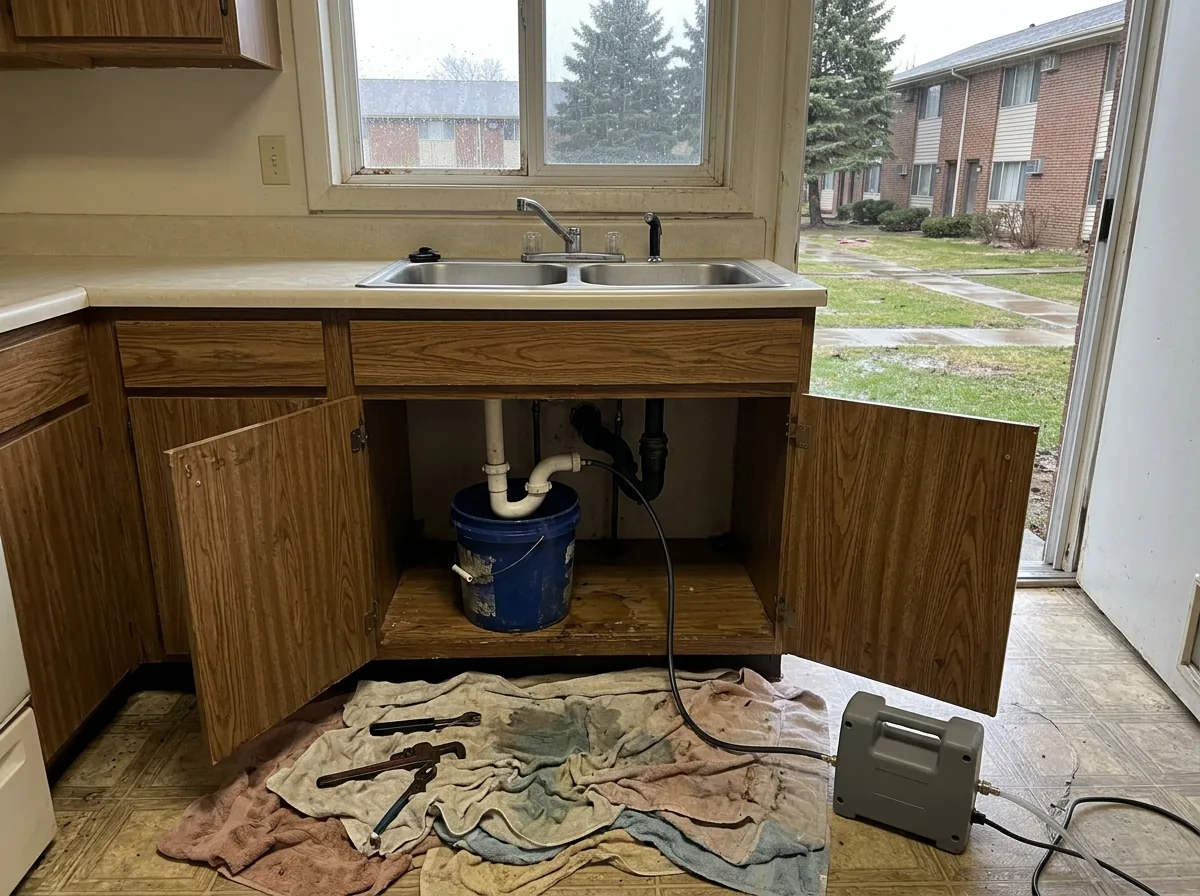
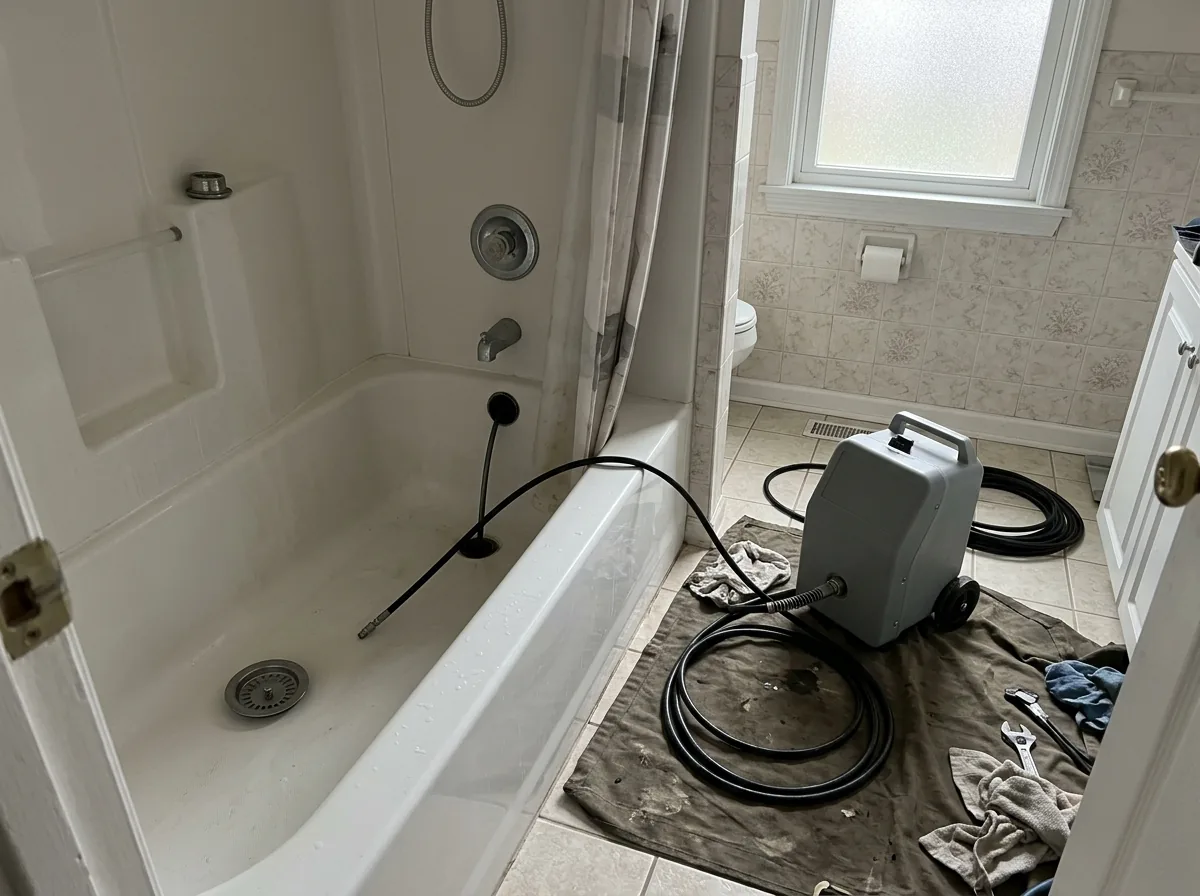
Drain cleaning is the everyday job: a shower that holds water, a tub that drains slowly, a laundry standpipe that overflows when the washer pumps out. These lines are small, and so are the jetters made for them. RIDGID's KJ-1350, for one, runs at 1,350 psi and 1.4 gallons a minute in 1-1/4 to 4 inch lines. Angi puts clogged drain clearing in Seattle at $150 to $450. A snake is the usual first try, but HomeGuide points out it only makes a hole in the clog, so a branch line that keeps closing up is a better fit for jetting.
See Drain Cleaning in Kent; tubs, showers and bathroom sinks have their own shower and tub drain page.
Floor Drain and Basement Drain Jetting
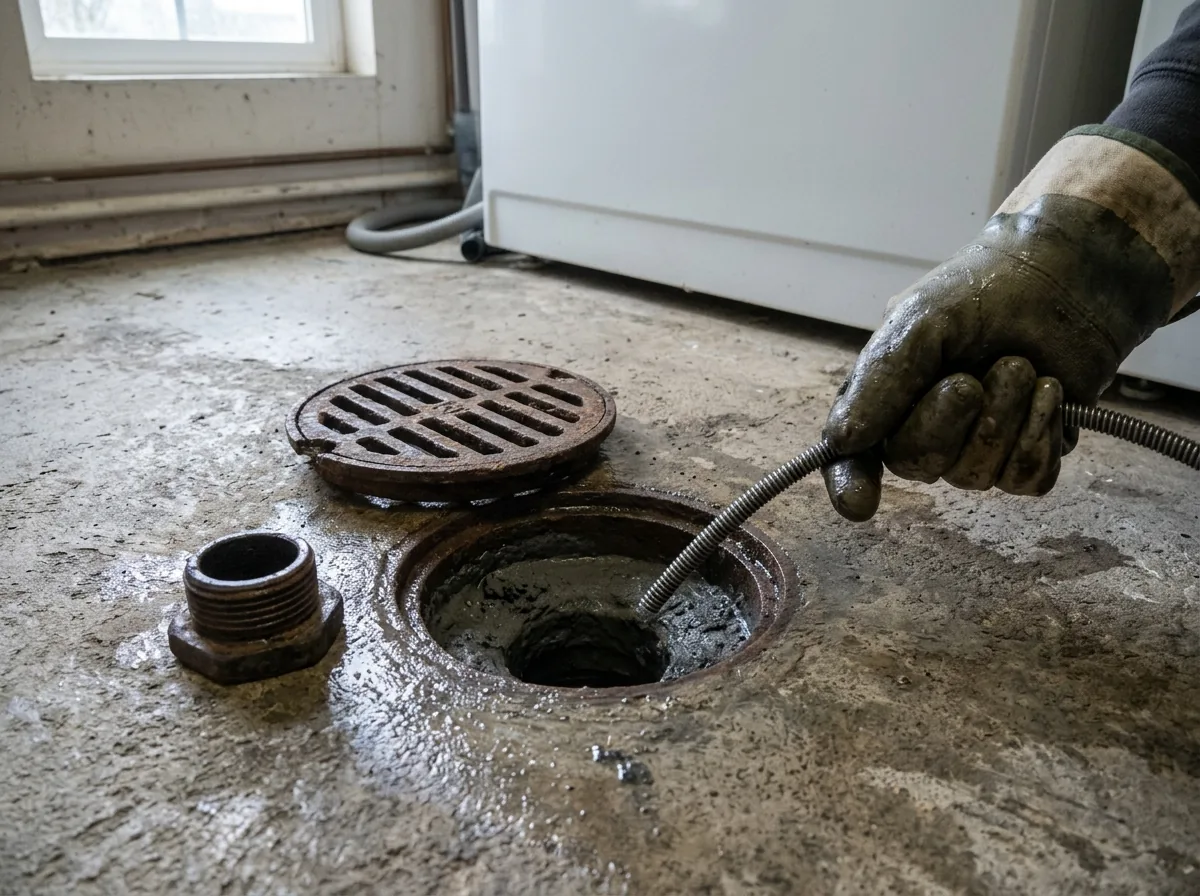
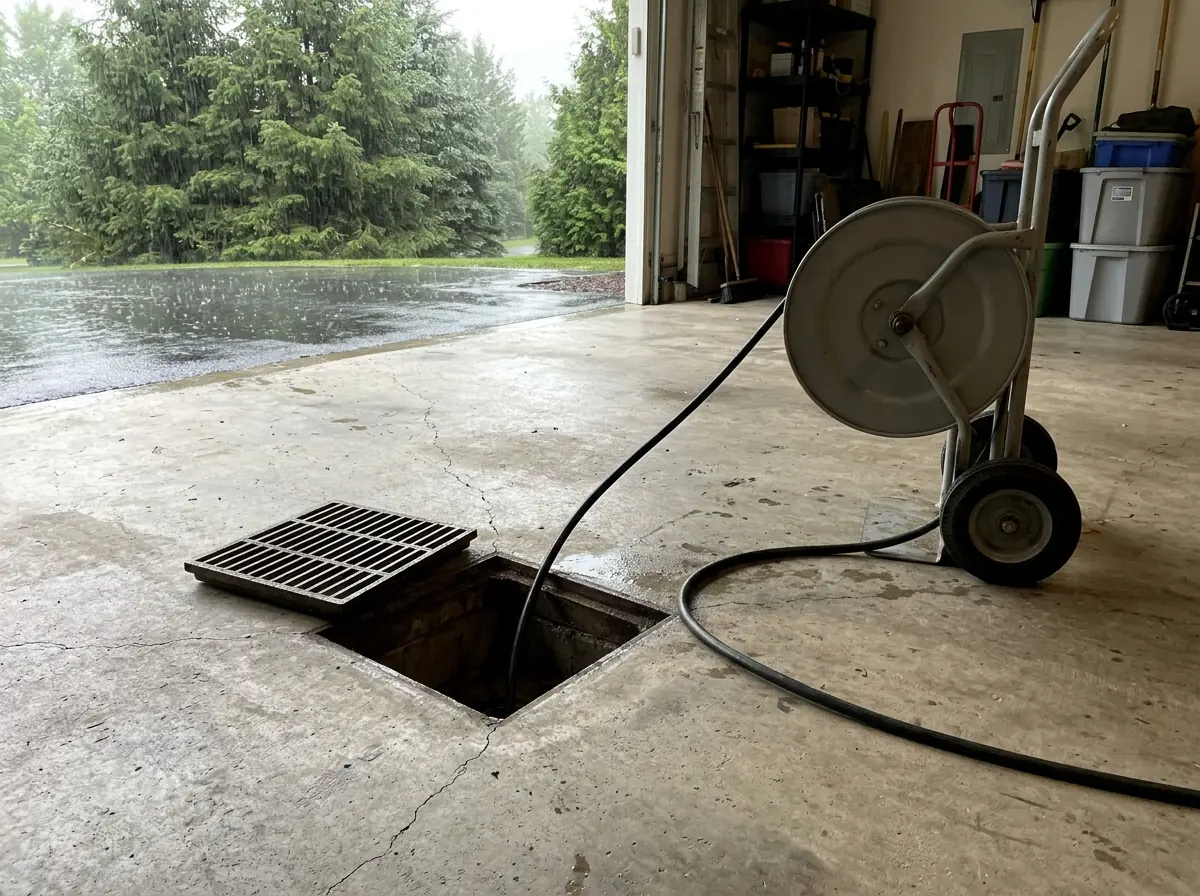
Garage, laundry-room and basement floor drains collect sand, lint and grit in the trap and the pipe below it. Jetting washes that out to the main. A floor drain that backs up only when other fixtures run is pointing past itself to the side sewer, so the camera should follow the line downstream.
Storm Drain, French Drain and Downspout Line Jetting
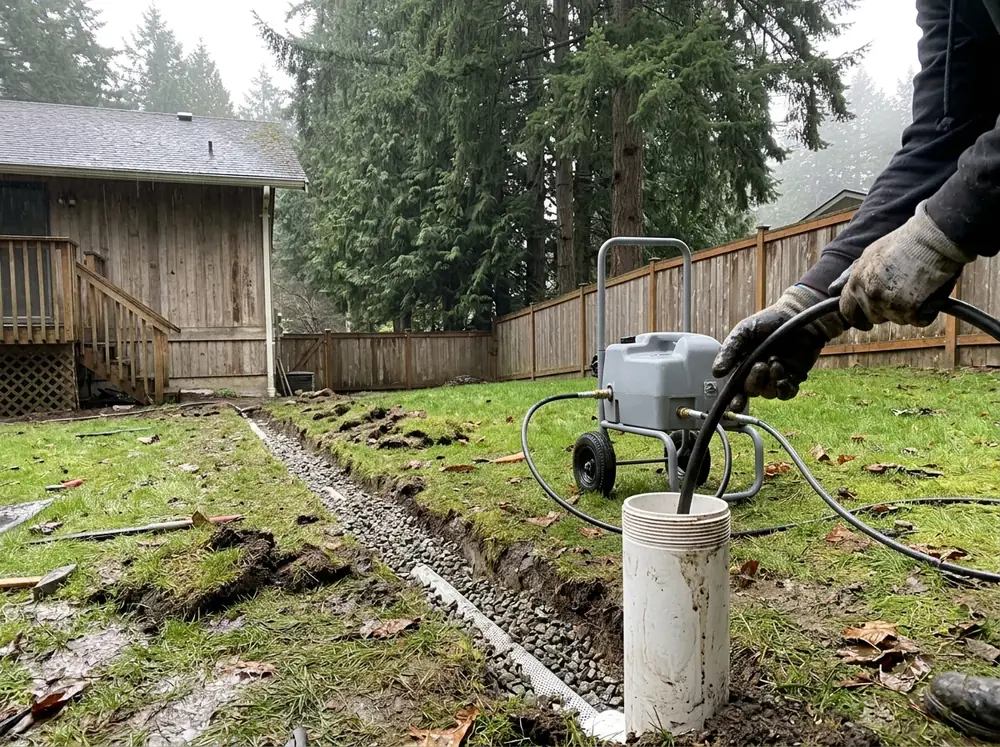
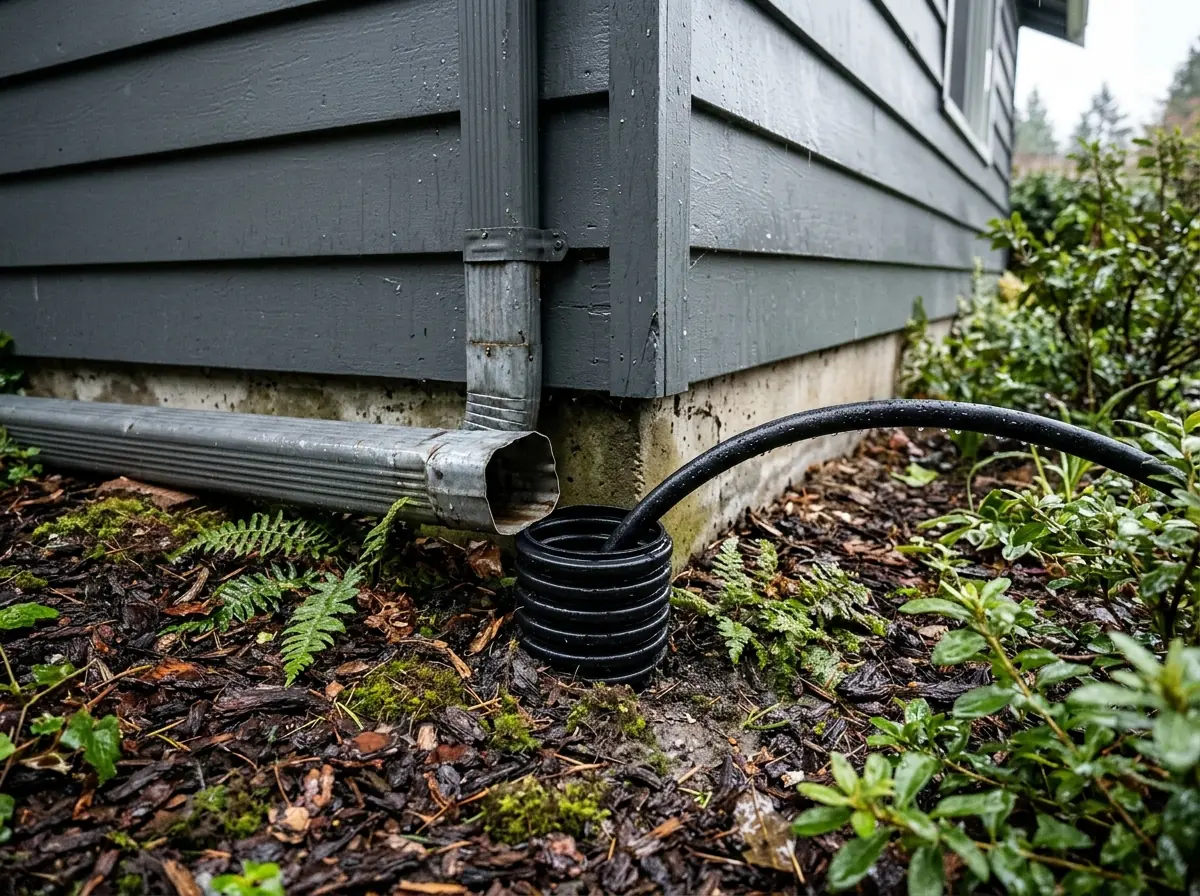
Downspout lines, yard drains and French drains carry rainwater, not sewage, and they fill with roof grit, leaves and silt. They jet clean the same way, with one rule to plan around: Kent bans non-stormwater discharges to its storm system, including debris, drain cleaners, sewage and grease. Ask the plumber how the debris the jetter knocks loose will be collected.
Preventive Sewer Jetting
A line jetted on a schedule doesn't wait for the backup. HomeAdvisor and HomeGuide put the interval for homes at every 18 to 24 months, sooner with lots of trees or a history of clogs. Angi suggests a camera check every one to two years. If the last camera run showed roots or scale, take the short end.
Commercial Hydro Jetting in Kent
Commercial lines are larger and work harder, and for restaurants part of the schedule is written into Kent's code.
Restaurant and Commercial Kitchen Grease Lines
Kent's FOG rule, KCC 7.04.180, requires every food service establishment to run an approved grease removal device. An interceptor has to be cleaned once grease and solids reach 25% of its liquid volume, or when build-up is visible, and at least every six months. A grease trap needs cleaning at least monthly. A licensed contractor or wastehauler has to do it as a full pump-out, not a skim, any repairs follow within seven days, and the records stay on file for the city. Enzymes, emulsifiers and bio-additives are banned from the sewer.
A pump-out empties the device, but the line between the kitchen and the interceptor keeps collecting grease. HomeGuide suggests jetting commercial lines every 3 to 12 months.
Multifamily Buildings, Condos and HOAs
A shared main carries several households' waste, so one unit's grease or wipes can back up the neighbors. For an HOA or a condo board, ask for the camera footage and a written note of what was found. That record lets the board tell routine cleaning from a repair that needs a permit and a budget line.
Warehouses and Industrial Sites
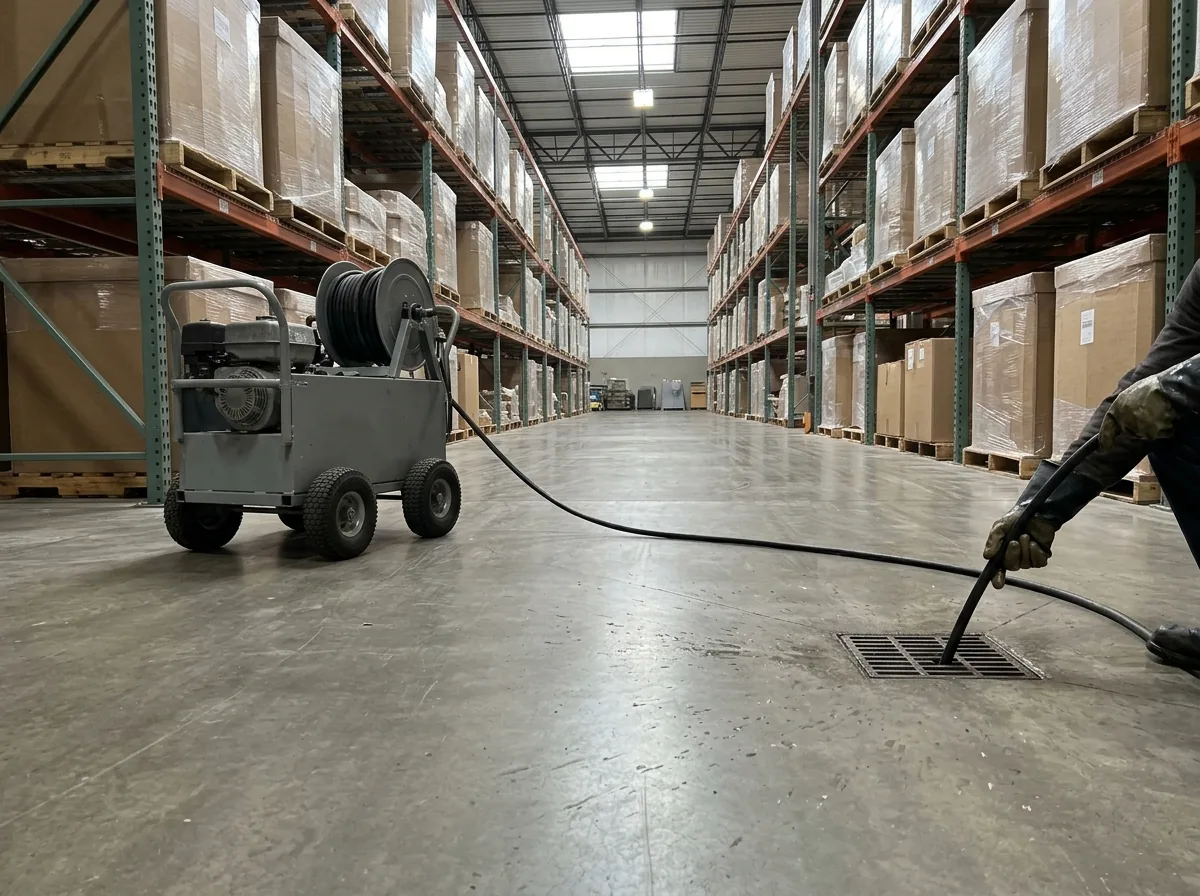
HomeGuide puts commercial pipe at 6 to 18 inches or more, cleaned at 3,000 to 4,000-plus psi. That takes a bigger machine. RIDGID sells its KJ-3100, rated at 3,000 psi and 5.5 gallons a minute for 2 to 10 inch lines, for large commercial and industrial work. Trench drains, loading-dock floor drains and process lines each get a nozzle chosen after the camera shows what's inside.
Retail, Office and Property Managers
For a plaza or an office building, a planned visit costs less disruption than a backup during business hours. HomeGuide puts commercial jetting at $500 to $2,000 or more, and Bob Vila notes the price climbs with pipe size and length. Ask for a written quote per visit and the camera notes after each one, so the file shows how each line is holding up.
Get a free hydro jetting estimate in Kent
- The request is free, and you decide whether to book
- One licensed local plumber gets your request, not a call list
- Ask for a camera look before any pressure goes in
- Ask for the price in writing before the work starts
- You pay nothing for the referral
Specialty Sewer Jetting and Inspection Services
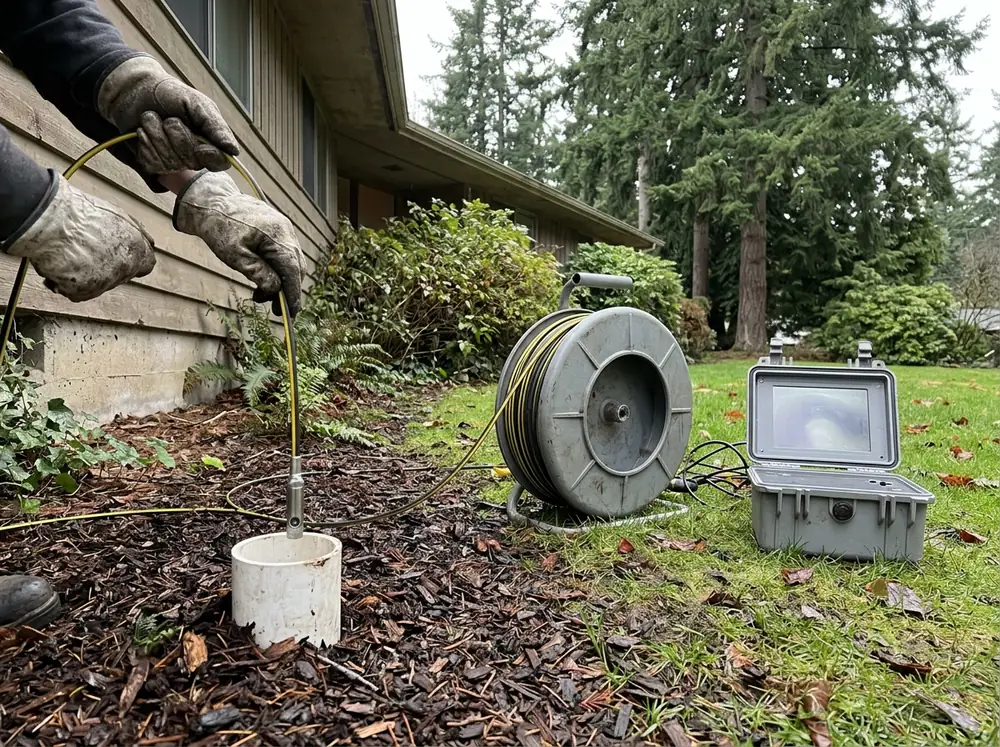
Sewer Camera Inspection and Line Locating
A camera run takes about an hour, longer with no cleanout or an active clog. Angi's Seattle figures put a standard camera inspection at $220 to $440, and the pipe material moves it: about $250 to $440 for PVC, $360 to $580 for cast iron, $440 to $730 for clay and $580 to $1,160 for Orangeburg. Locating means tracing the pipe's route from above ground, so any repair dig opens in the right spot.
See Sewer Camera Inspection in Kent; when there's no access point for the camera, read up on sewer cleanout installation.
Catch Basin and Parking Lot Storm Line Jetting
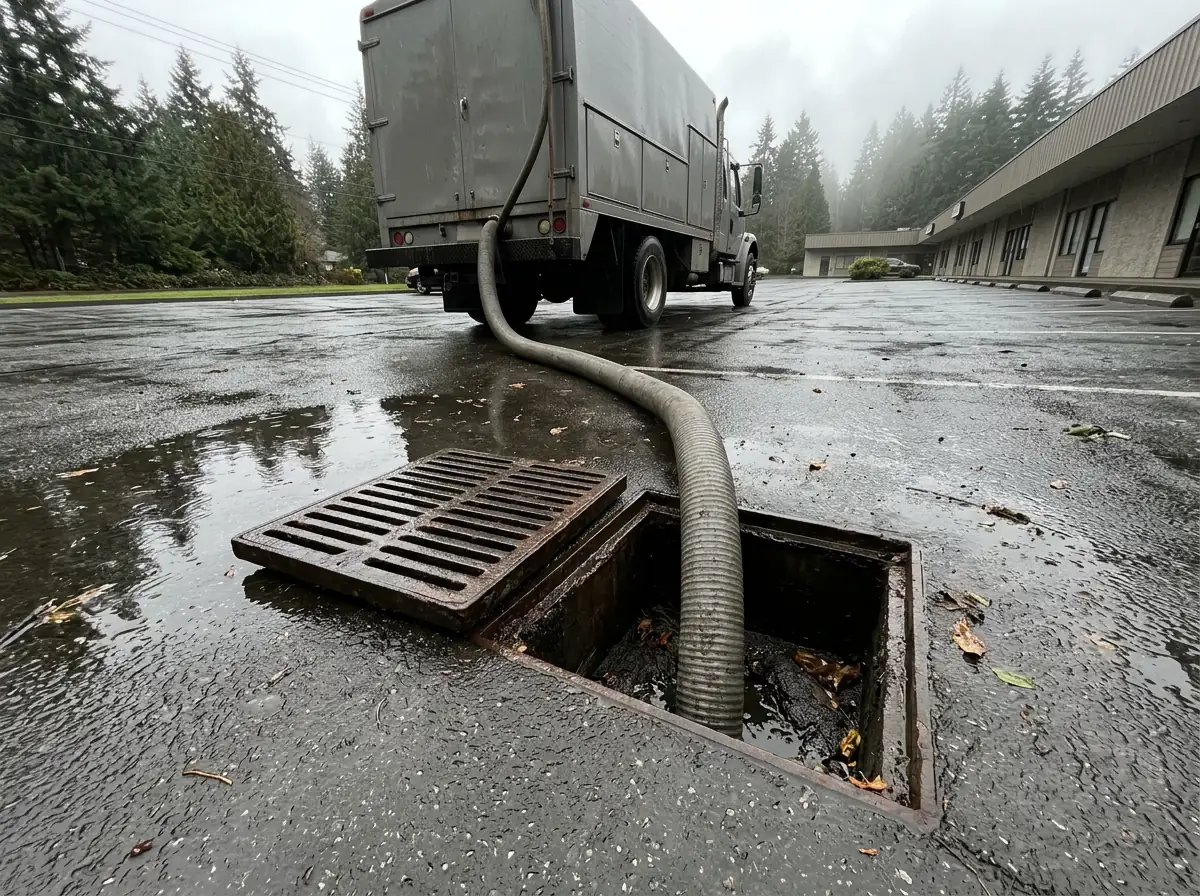
Parking lot catch basins collect sand, litter and oily runoff, and their outlet lines silt up. Kent's storm-system rule above applies here too, so ask the plumber how the sediment will be collected and hauled away.
Jetting Before Pipe Lining
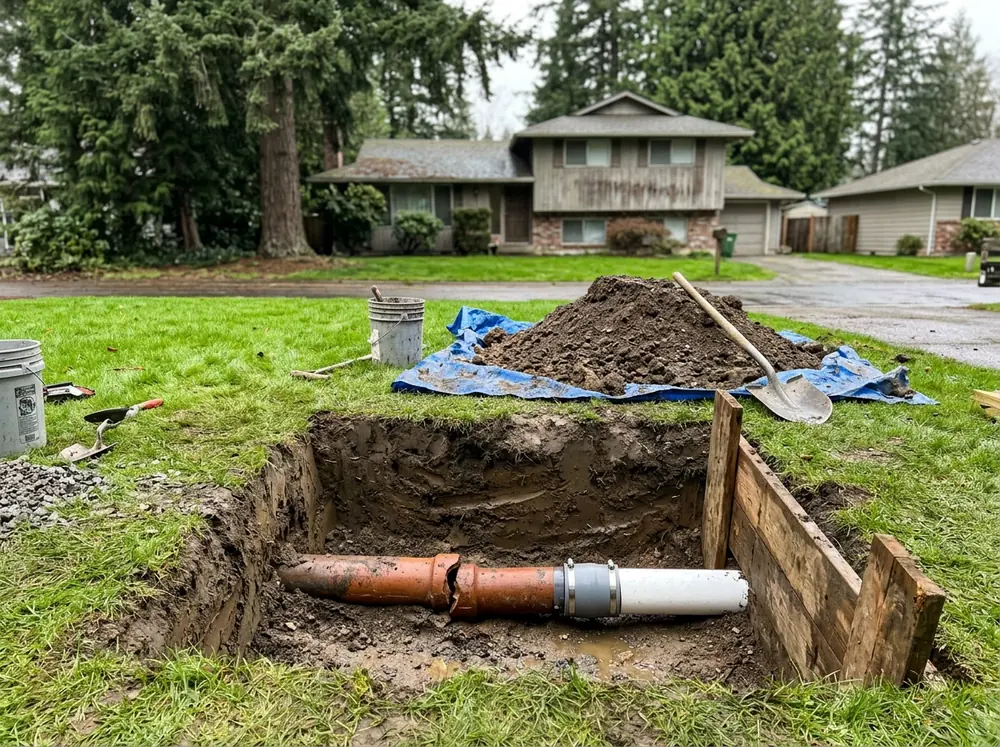
Jetting can't fix a cracked, collapsed or sagging pipe. What it can do is get the line clean enough to see on camera and to prepare for lining or another repair. Any repair or relay of a side sewer in Kent needs a permit, on private land or in the right-of-way.
Sump Pit and Lift Station Line Cleaning
Homes and buildings below the level of the sewer or storm line pump their water up to it. Silt and debris settle in the pit and can clog the discharge line.
Pre-Purchase Sewer Scope
King County's advice to home buyers is blunt: always get a side sewer inspection. In Kent the new owner takes on the whole side sewer, out to the main, from the day of closing. The median home here was built in 1987, which means half the houses in Kent are older than that. A scope before closing shows the pipe material, any roots or offsets, and whether repairs belong in the negotiation.
How Much Does Hydro Jetting Cost in Kent?
No guide publishes a Kent-only price. Angi's Seattle figures are the closest, and they lead the table below. National guides from Angi and HomeAdvisor put most jobs at $350 to $600.
| Item | Typical range | Source |
|---|---|---|
| Hydro jetting, Seattle | $389 to $667 (average $528) | Angi |
| Heavy clog or tree roots, Seattle | $700 to $800 | Angi |
| Root removal, on top of jetting | $100 to $600 | Angi, HomeAdvisor |
| Standard camera inspection, Seattle | $220 to $440 | Angi |
| Snaking a sewer line | $200 to $500 | HomeGuide |
| Clogged drain clearing, Seattle | $150 to $450 | Angi |
| Trip or service fee, Seattle | $75 to $200, may cover the first hour | Angi |
| Nights, weekends, holidays | 1.5 to 2 times the hourly rate | Angi |
| Hydro jetting, national | $350 to $600 (Angi average $475) | Angi, HomeAdvisor |
HomeGuide's cost guide runs higher, at $600 to $1,400 with a $1,000 national average, so read it as the top of the market, not the norm. Its newer explainer gives $250 to $800 for most residential jobs. Angi ties Seattle's prices partly to tree roots, with nearly 30% of that city under tree canopy. What moves a quote is how bad the clog is, whether there's a cleanout, how long the line runs and what the camera finds.
Hydro Jetting Old Pipes: Cast Iron, Clay and Orangeburg
Pressure is why jetting works, and it's why the pipe material matters. HomeGuide's material table rates PVC and ABS safe; cast iron safe in good condition with adjusted pressure and risky when corroded or thin; clay and Orangeburg, a pressed fiber pipe, not recommended because they're too fragile. Another HomeGuide page is softer, calling old clay and Orangeburg "more vulnerable" and saying pipes over 40 years old may not be candidates. The camera settles it for your line.
This matters in Kent. About 20% of the city's housing units went up before 1970, the age band where clay and Orangeburg sewers are more common. Jetting also can't fix a pipe that has collapsed or sagged into a belly. For fragile lines, a good plumber will talk through lower pressure, a gentler method or a repair before starting.
Side Sewers in Kent: What Owners Should Know
Kent's sewer code puts the whole side sewer on the property owner: maintenance, repair, cleaning and clearing obstructions, including the section that runs into the city right-of-way and the tee and side stub at the public main. The duty passes to every later owner.
Permits follow the kind of work. Clearing a clog from an undamaged pipe needs none. Building, extending, relaying or repairing a side sewer does, whether on private land or in the right-of-way, and work in the right-of-way needs a licensed contractor, apart from an owner hooking a side sewer onto the city's stub. If the city's public works director gives notice about a blocked or broken private sewer and it isn't fixed within five days, the city can do the work at the owner's expense.
Hydro Jetting Step by Step
- STEP01
Call or send the form
Tell us what's slow or backing up, when it started and where the cleanout is, if you know. Kent Hydro Jetting passes the request to one licensed local plumber, who contacts you about the job.
- STEP02
Camera look first
Ask for a camera run before any jetting. HomeGuide says a reputable plumber will always do one first, to locate the clog and check the pipe's condition, because jetting a damaged, cracked or collapsed pipe can cause further harm.
- STEP03
Jetting with the right nozzle
The nozzle is matched to the job: a penetrating nozzle for a hard clog, a flushing nozzle for grease and sediment, a root cutter for roots and scale. Low-angle jets drive the nozzle up the pipe, and the hose scrubs the walls on the way back.
- STEP04
Camera check after
HomeGuide describes a follow-up camera run to confirm the pipes are clear. Ask whether one is included, and for the footage or a copy.
- STEP05
Written price and payment
Ask for the price in writing before work starts and an itemized invoice at the end. Washington's L&I advises getting bids in writing, steering clear of anyone who wants cash only or the full cost up front, and not paying in full until the work is done. Its Verify tool shows whether a contractor's registration is active, whether workers' comp is paid up, any lawsuits against the bond, and whether the person doing the plumbing is certified.
Areas Served Across Kent, WA
Kent Hydro Jetting takes requests from homes and businesses anywhere in Kent. Depending on your address, the sewer utility may be the City of Kent or a district such as Soos Creek Water & Sewer. Either way, the local agency carries wastewater to King County's system, and Kent's sewage is treated at the county's South Treatment Plant in Renton. Under Kent's code, the side sewer is the property owner's to look after.